Why Some 'Cheap' Houses Are Actually Expensive Houses
Justin Reynolds
Key Takeaways
- Low purchase prices hide expensive repairs—total acquisition cost includes inspection, repairs, and closing fees that often exceed savings.
- Major systems like roofs and HVAC cost $5,000–$25,000 each to replace, making a cheap house potentially more expensive long-term.
- Get detailed contractor estimates before offering; a higher-priced turnkey home often beats a cheaper fixer-upper when you do the math.
Skip ahead — run the numbers now
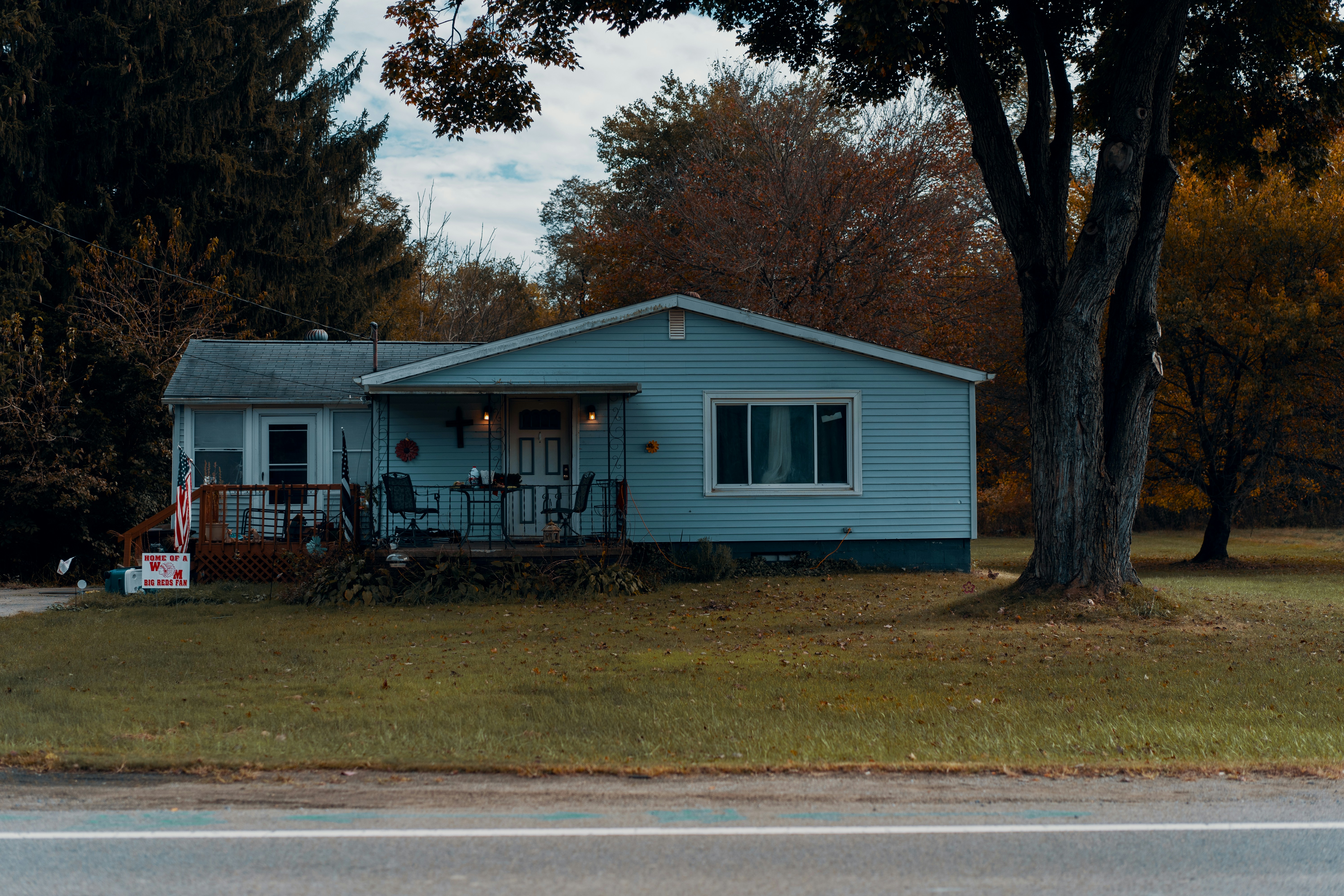
You walk into a charming three-bedroom colonial listed at $299,000 and think you've found the deal of the year. The inspection report flags a roof that needs replacing within two years, an HVAC system on its last legs, and outdated electrical wiring.
That "affordable" house might actually cost you far more than the $340,000 turnkey property two blocks away.
The real price of homeownership isn't just what you see on the listing—it's the total of every dollar you'll spend to make it livable and safe.
Understanding Total Acquisition Cost Beyond Purchase Price
When you buy a home, you're not just paying the sticker price. Total acquisition cost includes the down payment, closing costs, immediate repairs, and any upgrades needed before you can safely live there. A cheaper purchase price can be deceptive when thousands in hidden repairs sit waiting beneath the surface.
Consider two identical neighborhoods with very different houses. One is priced low because the seller knows about foundation cracks, roof damage, or systems nearing failure. The other is priced higher but has had recent updates and passes inspection cleanly.
The cheaper house might require $15,000 to $50,000 in repairs within the first year alone. By the time you factor in contractor fees, permits, and potential code violations, that savings evaporates faster than morning dew.
This is why savvy buyers focus on total acquisition cost rather than purchase price alone:
- Purchase price is only the beginning of what you'll actually spend
- Major systems nearing end-of-life (roof, HVAC, electrical) can cost $5,000 to $25,000 each to replace
- Hidden structural issues discovered after closing become your financial responsibility
- Foundation problems, water damage, and pest infestation multiply costs exponentially if not caught early
- Code violations and outdated systems require expensive remediation before you can refinance or sell
- Inspection contingencies matter—they're your only chance to negotiate or walk away
How to Calculate Your Real Home Cost Before Making an Offer
Follow these steps to understand the true financial commitment before signing on the dotted line:
1. Get a comprehensive inspection and detailed cost estimates.
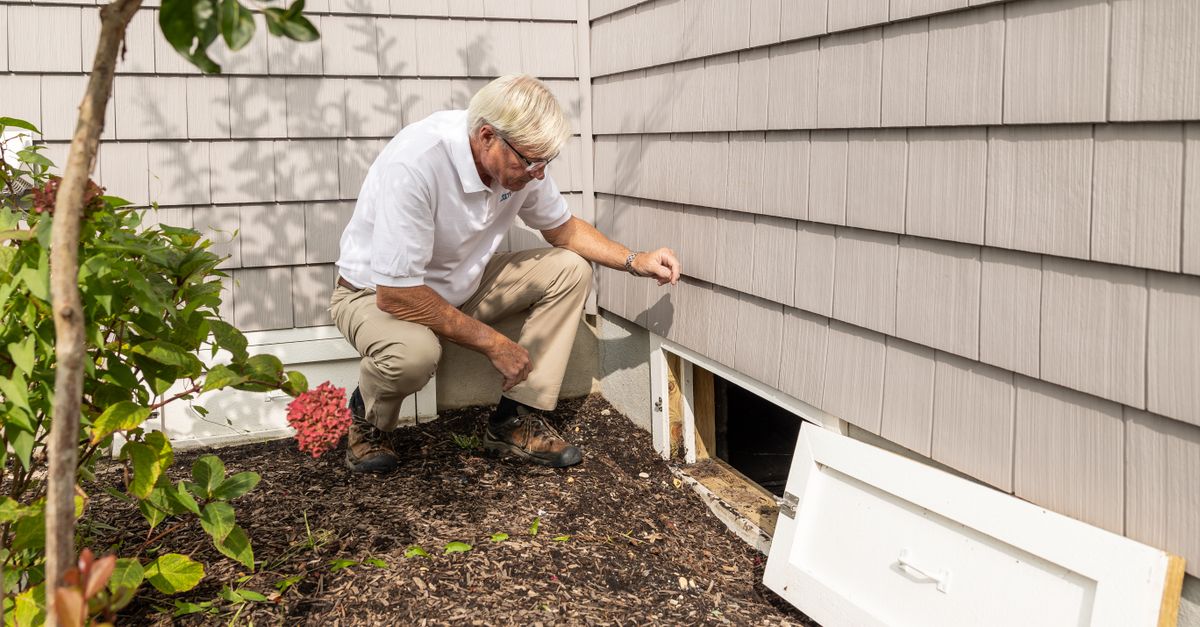
Don't rely on the seller's inspection or a quick walkthrough. Hire a qualified inspector who will flag every system needing attention, then get written quotes from licensed contractors for each repair. This document becomes your roadmap for total acquisition cost.
2. Add up all closing costs and prepaid items separately.
Beyond the down payment, you'll owe appraisal fees, title insurance, loan origination fees, property taxes, homeowners insurance, and HOA fees if applicable. Request a Closing Disclosure at least three days before closing to see the exact total.
3. Create a priority repair list organized by urgency and cost.
Roof leaks and electrical hazards are immediate priorities. Cosmetic updates and nice-to-haves go last. Some repairs can wait a year; others cannot. Knowing which is which helps you budget realistically.
4. Factor in a contingency reserve for unexpected discoveries.
Once walls come down or systems are accessed, contractors often find additional problems. Plan for 10–15% extra above your estimated repair costs to avoid financial surprises.
5. Compare total costs across multiple properties before deciding.
Two homes might feel equally appealing, but when you stack up purchase price plus realistic repair costs, one is clearly the better value. Run the numbers on every serious contender to make an informed decision.
Try it right here — no signup needed
Home Maintenance Reserve Calculator
Educational estimate only -- adjust replacement cost and remaining life for your own home's systems.
Frequently Asked Questions
What inspection items should make me walk away from a house?
Serious issues like foundation cracks, mold, roof collapse, or evidence of termites warrant walking away unless the price drops enough to offset $20,000+ in repairs. Electrical code violations and outdated wiring also become expensive quickly if the entire system needs replacement.
Can I negotiate repairs into the purchase price instead of doing them myself?
Yes—you can request the seller make repairs before closing or reduce the sale price to cover your costs. Many sellers prefer a price reduction so they can avoid contractor liability, but some will agree to repairs if the issues are small enough. Always get written estimates to support your negotiation.
Should I skip the inspection to save money on a cheap house?
No—skipping inspection is like skipping a seatbelt to save money on gas. An inspection might cost $300–$500, but it could prevent a $30,000 financial disaster. The small upfront cost is one of the best investments you'll make in the home-buying process.
Next Steps for First-Time Buyers
Don't let a low listing price blind you to the real cost of ownership.
Before you fall in love with a home, run the numbers on total acquisition cost. Include the purchase price, all closing expenses, and realistic repair estimates from licensed contractors. Compare this total across every property you're considering, not just the asking prices.
Your goal is to buy a house that fits your budget and your timeline, not to chase the cheapest price tag in town. A property that costs more upfront but requires minimal repairs is often the smarter financial decision.
Start by requesting a professional inspection on any home you're seriously considering, and use that inspection report to calculate your true cost of ownership before making an offer.
Try these free tools
All toolsFAQ
Home Approach Straight To Your Inbox
Get the insights you need to achieve your homeownership goals!