Critical Home Inspection Questions for Older Houses
Justin Reynolds
Key Takeaways
- Ask your inspector about active vs. old water damage and electrical amperage adequacy—these reveal costly problems requiring major repairs.
- Request detailed information on plumbing materials, roof layers, and the sewer system to budget for replacements that often cost thousands.
- Attend the inspection in person, ask what three issues concern the inspector most, and get written repair estimates before negotiating with the seller.
Skip ahead — run the numbers now
Buying a vintage home is thrilling—but those charming original details can hide serious problems that newer houses don't have.
Knowing what to ask your inspector makes the difference between landing a wonderful investment and inheriting a money pit.
Let's walk through the critical questions that protect your interests in an older home.
Understanding What Makes Older Homes Different
Older homes have character, but they also have decades of wear, outdated systems, and sometimes previous repairs that mask deeper issues.
A house built in the 1920s, 1950s, or even 1980s was constructed with materials and methods that may no longer meet current building codes or safety standards. The electrical system might be undersized for modern appliance loads, the plumbing could be corroded from the inside out, and the foundation may have settled in ways that affect structural integrity.
Your home inspector brings expertise that protects your investment, but they can only tell you what they find.
The questions you ask will direct their attention to the specific vulnerabilities that older homes typically develop. When you ask informed questions, you're showing the inspector where to look harder and what to document thoroughly.
Key areas where older homes commonly develop problems:
- Water damage and moisture intrusion from decades of exposure
- Outdated or unsafe electrical systems not designed for current usage patterns
- Deteriorating plumbing with corrosion, mineral buildup, or failed joints
- Roof age and condition affecting weatherproofing and interior protection
- Foundation settling and structural shifts that compound over time
- Previous amateur repairs that may have created new problems while masking old ones
How to Ask the Right Home Inspection Questions
1. Ask about the severity and age of water damage first.
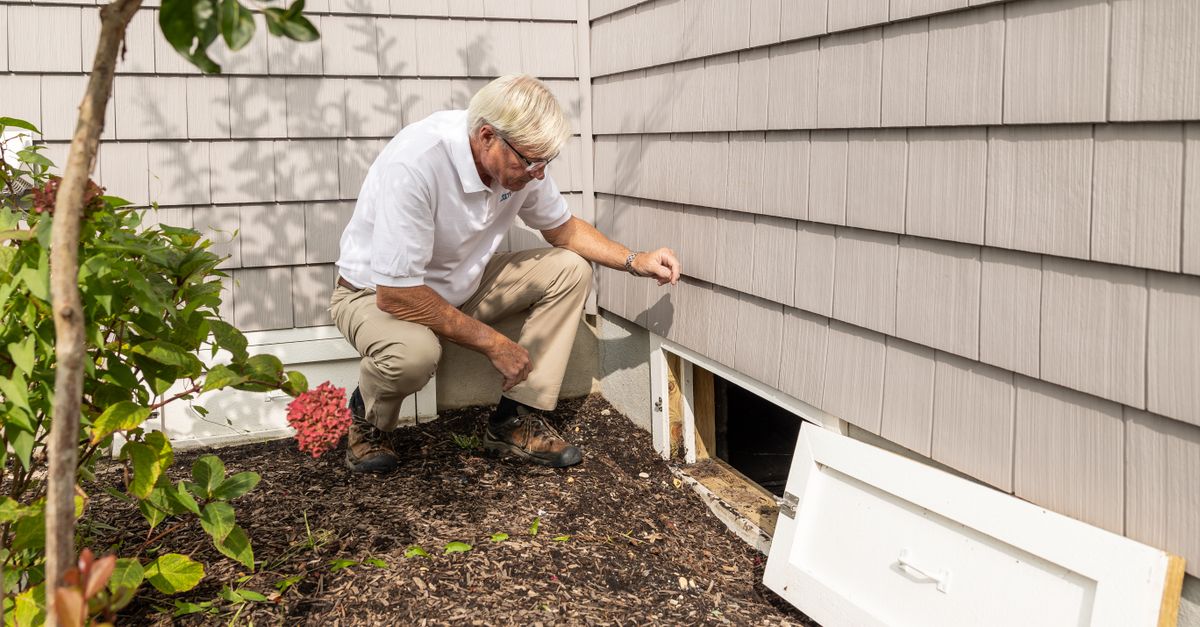
"I see some water staining in the basement—is this active water intrusion or old damage from years ago? What's your timeline assessment?" This distinction matters enormously. Old water stains suggest past problems that may have resolved, while active water damage signals ongoing issues that will get worse and cost thousands to fix properly.
2. Request a detailed electrical system evaluation.
"Can you tell me the amperage of the main service panel and whether it's adequate for modern usage? Are there any knob-and-tube wiring remnants, outdated breakers, or signs of overloading?" Older homes often have 60-amp or 100-amp service that's insufficient for today's appliances, HVAC systems, and devices. This answer tells you whether you're facing a simple upgrade or a complex rewire.
3. Dig into plumbing condition and materials.
"What material are the water supply lines made from, and what's their approximate age and condition? Have you found any evidence of corrosion, leaks, or mineral buildup?" Galvanized steel pipes from the 1960s and earlier often corrode from the inside, restricting water flow and requiring replacement. Copper can develop pinhole leaks. Knowing this upfront lets you budget for potential repiping.
4. Get specifics about the roof, not just its age.
"How many roof layers are present, what's the condition of the flashing, and are there any active leaks or signs of recent repairs? What's the realistic remaining lifespan?" Some older homes have multiple roof layers that create weight and ventilation problems. Recent patches might indicate recurring issues rather than complete repairs.
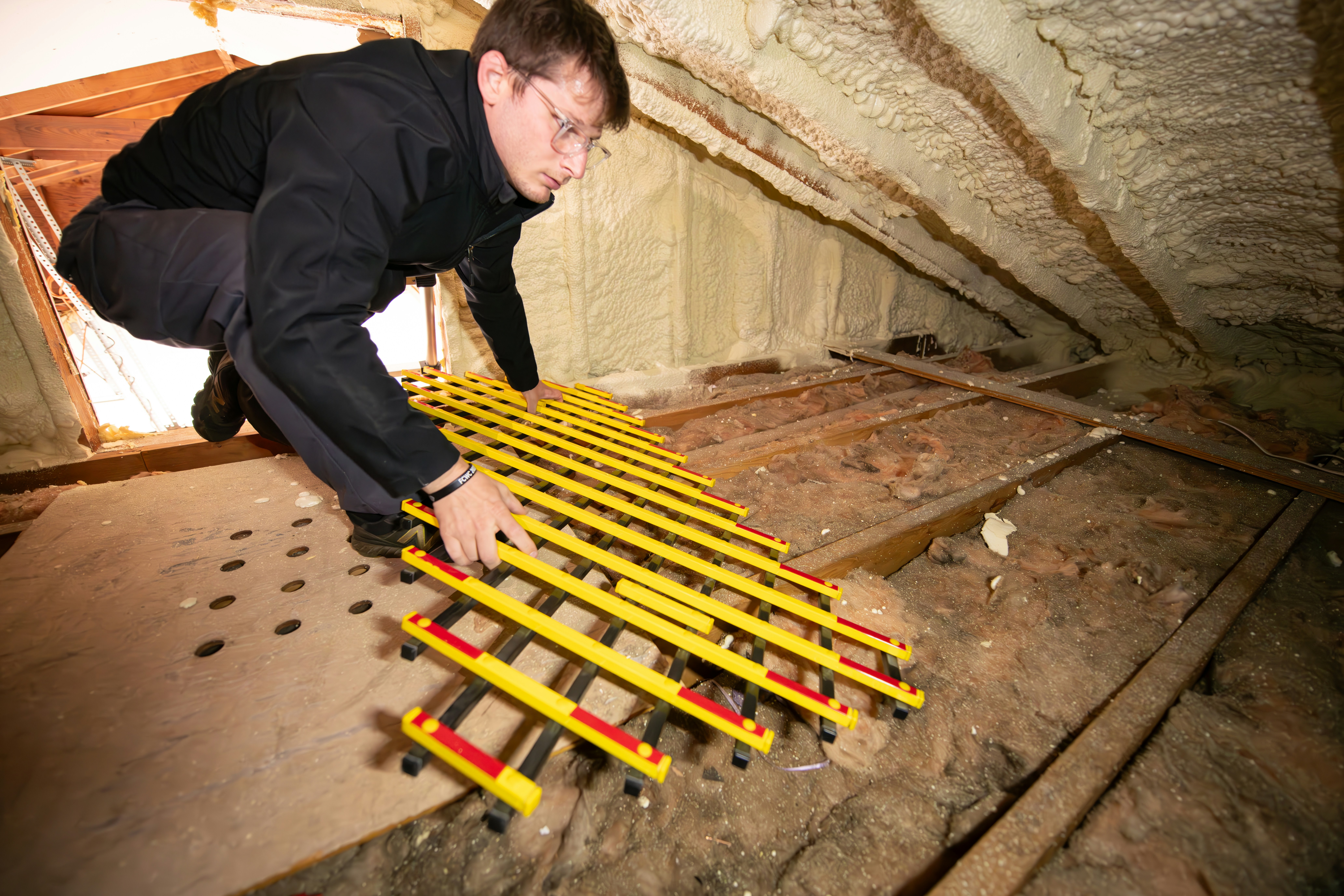
5. Ask the most important question last: "If you were buying this house, what are the three things on this report you'd be most concerned about?"
This open-ended question cuts through technical details to get the inspector's honest professional opinion. Their answer reveals whether problems are cosmetic or serious, isolated or systemic, fixable or deal-breaking.
Try it right here — no signup needed
Home Maintenance Reserve Calculator
Educational estimate only -- adjust replacement cost and remaining life for your own home's systems.
Frequently Asked Questions
Should I get a sewer scope for an older home?
Yes, absolutely. Sewer lines in homes older than 40 years often develop root intrusion, cracks, or sagging sections that cause backups and require expensive replacement. A sewer scope costs $200–$400 but can reveal a $5,000–$30,000 problem before you buy.
What's a reasonable negotiation if the inspection finds problems?
You can ask the seller to make repairs, reduce the purchase price, or provide credits toward fixes. For major systems like plumbing or electrical, getting repair estimates beforehand helps you negotiate from solid numbers rather than guesses.
How thorough should a home inspection be for a really old house?
A standard home inspection takes 2–3 hours, but older homes often benefit from a 4–5 hour inspection or separate specialist visits (like a structural engineer or electrician). Budget extra time and money for deeper evaluation of homes built before 1970.
Next Steps for First-Time Buyers
Don't let the inspection feel like a passive event where you wait for results. Show up on inspection day, walk through with the inspector, and ask questions as they work.
Taking photos of problem areas, writing down answers, and asking for clarification in the moment gives you a clear understanding of what you're actually buying. Request a detailed written report that includes photos and specific recommendations, not just checkmarks on a form.
Once you have the inspection report, take time to process the findings before making decisions. Get repair estimates from licensed contractors for any significant issues, research typical costs for updates like electrical or plumbing work, and decide whether this home fits your budget and timeline.
A thorough inspection empowers you to buy with confidence or walk away with complete information. Either way, you're protecting yourself and your future in a home you'll live in for years.

Try these free tools
All toolsFAQ
Home Approach Straight To Your Inbox
Get the insights you need to achieve your homeownership goals!