
Your First House: A Strategic Financial Move
Justin Reynolds
Key Takeaways
- A starter home builds $30k-$50k equity in 5 years while keeping monthly payments affordable and manageable.
- Buying smaller now lets your income grow into a larger home later, avoiding stretching financially today.
- Solid financial foundations matter most—ensure emergency funds, low debt, and job stability before purchasing any property.
Skip ahead — run the numbers now
When you picture your first home, you might imagine the perfect kitchen, the ideal neighborhood, and enough space for everything you could ever need.
The truth is, that dream house can wait.
Your first home is actually an opportunity to build equity, improve your credit profile, and get a foot in the door of real estate investing—and a starter home often makes more financial sense than stretching for your forever home right away.
Building Equity on Your Timeline
Buying a starter home is a strategic financial move that lets you accumulate real estate wealth without overextending yourself. When you own property, your monthly mortgage payment builds equity instead of disappearing into a landlord's pocket.
A smaller, less expensive property means lower monthly payments, which makes the mortgage easier to afford and leaves you with breathing room in your budget for emergencies, investments, and life.
The math works in your favor when you think long-term.
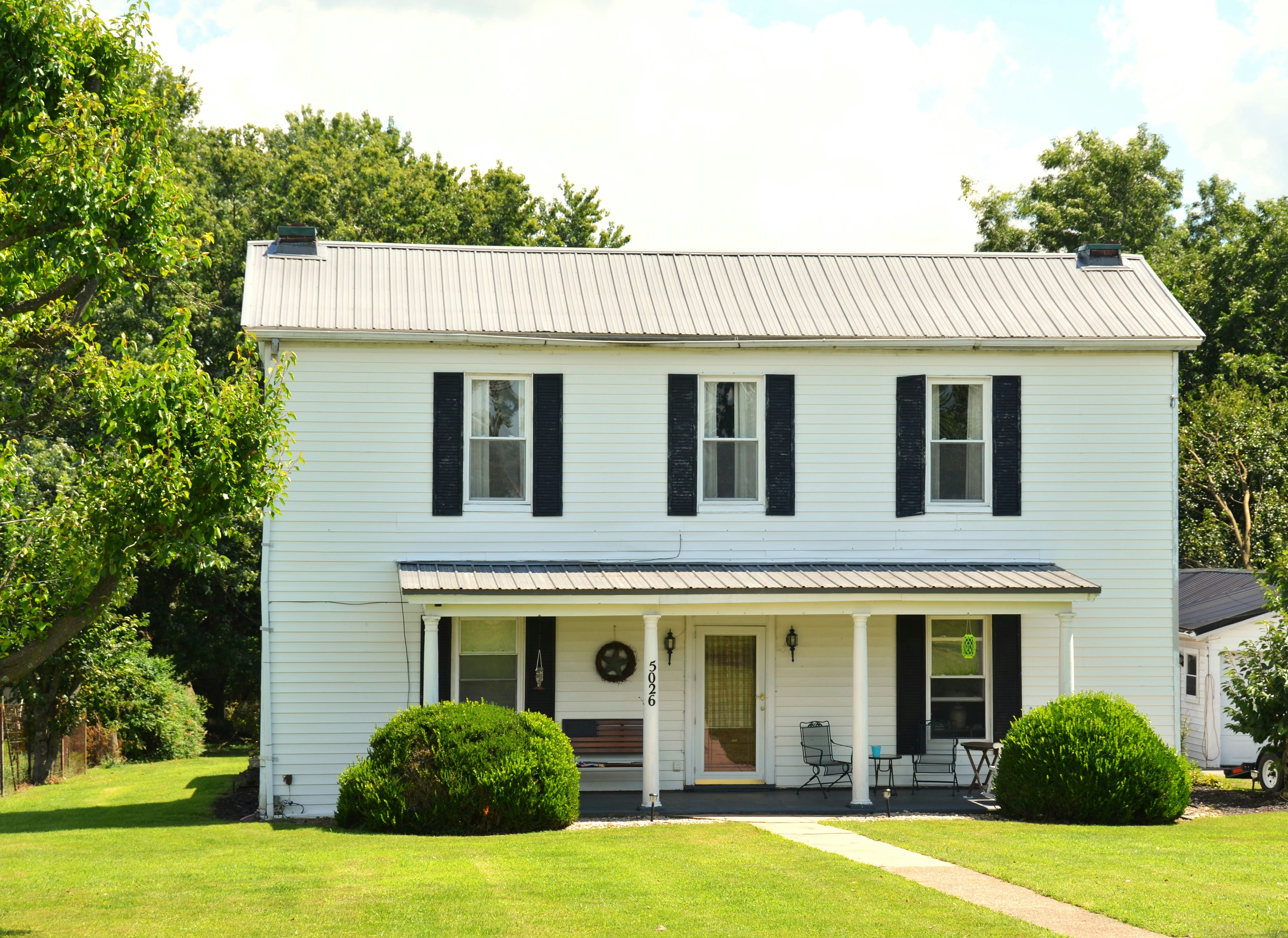
A $200,000 home in a growing neighborhood might appreciate 3–4% annually, while your loan balance decreases with each payment. After five years, you could have built $30,000–$50,000 in equity (depending on appreciation and your down payment), giving you options most renters never have. That equity becomes a launchpad for your next move.
Key advantages of starting smaller:
- Lower monthly payments reduce financial strain and improve qualification odds
- Faster equity buildup with smaller loan amounts
- Flexibility to move or upgrade without a 30-year anchor
- Less exposure to property maintenance costs on your first go-round
- Better ability to survive market downturns or job changes
- A credit and down payment track record that strengthens future applications
Understanding When a Starter Home Makes Sense
A starter home makes sense when you're early in your career, building an emergency fund, paying off student loans, or testing whether you're ready for homeownership.
If your income is likely to grow significantly in the next 3–7 years, buying smaller now and upgrading later often beats stretching for a bigger place today. Starter homes also work well if you're unsure about staying in one location or if you want to invest in real estate without risking overleverage.
The strategy becomes risky only when you skip the fundamentals. If you haven't saved for an emergency fund, carry high-interest debt, or lack job stability, you're not ready for homeownership at any price point.
Likewise, if mortgage rates are unusually high or your local market shows signs of decline, waiting might be wiser than jumping in. A starter home only works if the rest of your financial foundation is solid.
Situations where a starter home fits:
- You've been saving for less than two years and want to stop renting soon
- Your income is expected to grow 20% or more within five years
- You're new to a city and want flexibility before committing long-term
- You're paying down significant student loans or other debt
- You have limited savings but solid income and good credit
- You want to build real estate experience before a larger purchase
How to Choose and Buy Your Starter Home
Start with a realistic budget.
Use a mortgage calculator or talk to a lender about how much you can actually afford, not the maximum you might qualify for. Most lenders will let you borrow more than is comfortable; your job is to stay disciplined. Aim for a home price that keeps your total housing costs (mortgage, taxes, insurance, HOA) below 28% of your gross household income.
Prioritize location and bones over finishes.
A solid property in a good school district or growing neighborhood holds value better than a freshly renovated home in a declining area. Skip the granite counters and focus on structural integrity, roof condition, and HVAC systems. You can upgrade finishes later; you can't easily move a house.
Get pre-approved before house hunting.
Pre-approval shows sellers you're serious and gives you a clear budget to work within. It also forces you to think honestly about your finances before emotions take over during the hunt.
Plan for hidden costs.
Between closing costs, inspections, appraisals, and immediate repairs, expect to spend 5–10% of the purchase price in cash beyond your down payment. Many first-time buyers underestimate this, which is why having an emergency fund matters as much as the down payment itself.
Build an upgrade-and-exit strategy.
Before you buy, think about your exit plan. How long do you realistically want to stay? What improvements would add value if you sell? A $150,000 home with $15,000 in smart upgrades might sell for $180,000 in five years, covering your closing costs and building equity. That's a win, even if it's not your dream home.
Try it right here — no signup needed
1. What you actually take home
What actually lands in your account each month, after taxes and deductions.
2. The full cost of the house
Principal, interest, taxes, and insurance for the home you're considering.
About 1% of home value per year, divided by 12.
Electric, gas, water, sewer, trash, internet.
Leave at 0 if there is no association.
3. The life a lender can’t see
Underwriting ignores this entirely.
The contribution you refuse to stop making.
Groceries, gas, insurance, subscriptions, eating out.
Bank qualification vs. your real monthly housing number
Bank qualification
$3,120
Illustrative 36% debt ratio applied to estimated gross income. Ignores maintenance, childcare, savings, and everyday spending.
Your real monthly housing number
$1,625
25% of net income, capped by what’s left after the commitments you entered.
A lender would approve about $1,495 more per month than your budget supports. That gap is the house-poor zone.
Your summary
Over your ceiling
A lender may still approve this. Your budget is telling you something different.
- All-in housing cost
- $2,793
- Comfort target (25% of net)
- $1,625
- Safety ceiling (30% of net)
- $1,950
- Left for housing after your commitments
- $4,400
Frequently Asked Questions
Should I buy a starter home or wait for my dream house?
Buy a starter home if you're financially ready now and your dream house is still 5–10 years away. Waiting costs you years of equity buildup and exposes you to rising prices and interest rates, which often outpace income growth.
Will buying a starter home hurt my ability to get a bigger mortgage later?
No; in fact, it helps. Paying a smaller mortgage on time for a few years strengthens your credit, proves you can handle homeownership, and builds equity you can use as a larger down payment next time.
What if I buy a starter home and the market drops?
Short-term market swings matter less if you plan to stay 5+ years and make payments on time. You'll recover losses through appreciation and equity buildup. If you're worried about this, you may not be ready to buy yet.
How much smaller should my starter home be?
There's no formula, but many buyers start 25–40% below their maximum budget. A $300,000 budget might mean a $180,000–$225,000 starter home, leaving room to upgrade in five to ten years.

Next Steps for First-Time Buyers
The path to homeownership doesn't require perfection or a massive down payment—it requires a plan. Start by figuring out what you can actually afford, not what a lender says you can borrow. Talk to a mortgage professional, run the numbers, and ask yourself honestly whether you're ready for the responsibility. A starter home only works if the rest of your financial life is stable.
Once you're ready, work with a real estate agent who understands starter home strategy and a lender who will explain all your options.
Home Approach can help you navigate this process, comparing loan products and down payment assistance programs designed for first-time buyers.
Your first home doesn't have to be perfect—it just has to be the right financial move for where you are today.
Try these free tools
All toolsHome Approach may pay featured experts for their time creating education. Some also work in real estate or lending. If you choose to work with one, they're paid the normal way through your transaction. Home Approach never receives any part of it.
FAQ
Home Approach Straight To Your Inbox
Get the insights you need to achieve your homeownership goals!