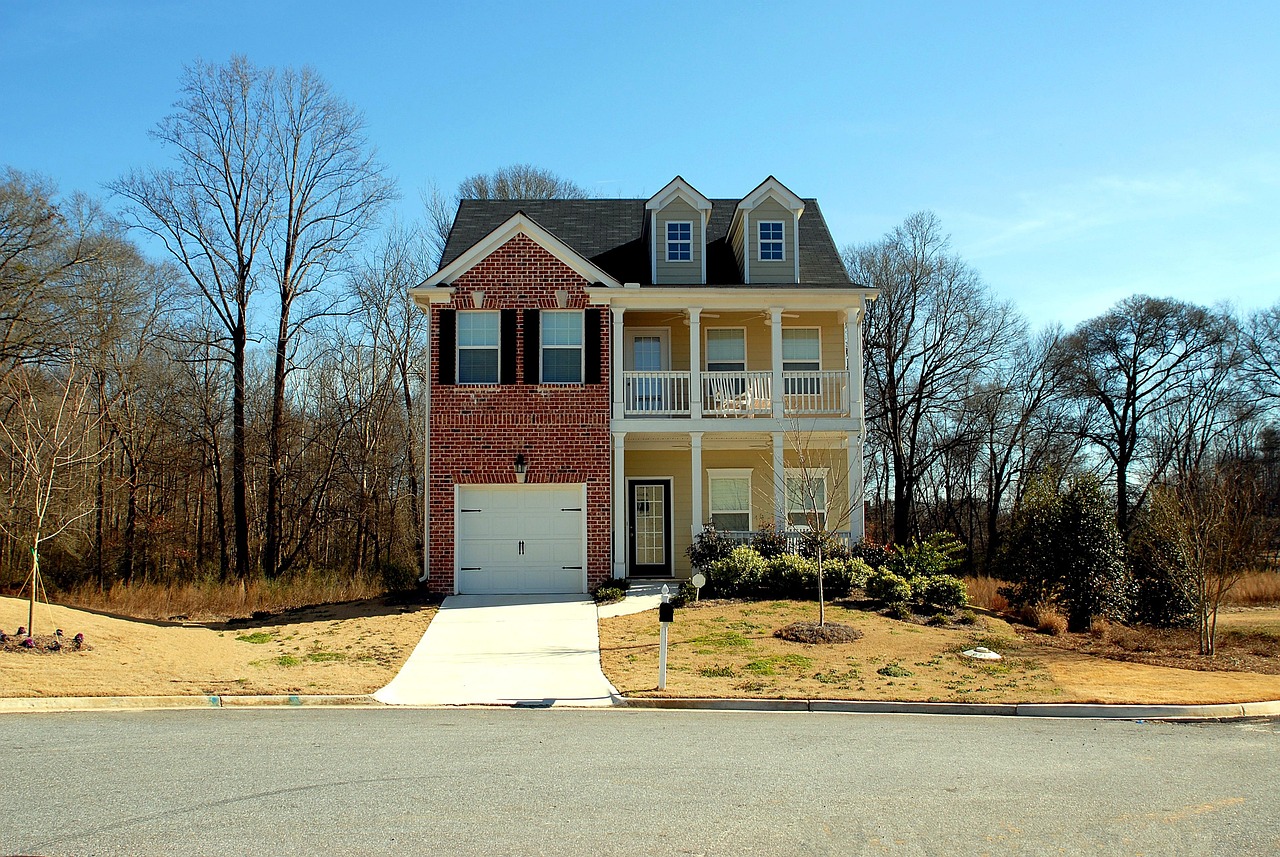

Renovate to Sell or Stay? A Homeowner's Guide - 69 chars
Justin Reynolds
Key Takeaways
- Consider the current mortgage rate before planning a renovation
- Evaluate your neighborhood's potential for growth after a renovation
- Assess the suitability of your home's layout and size for the desired renovation
Skip ahead — run the numbers now
With interest rates below 4% and a split between homeowners planning renovations within the next 1-2 years versus those with timelines of 5+ years, the decision to renovate for a sale or improve your home for long-term enjoyment is critical. This guide will help you evaluate your options based on budget, goal, transaction costs, ROI, disruption, and ideal homeowner profile.
Renovate to Stay vs. Renovate to Sell
| Factor | Renovate to Stay | Renovate to Sell |
|---|---|---|
| Budget | Moderate to high -- comfort and livability justify bigger spends | Low to moderate -- spend should track expected resale return |
| Goal | Long-term enjoyment and functionality | Maximize buyer appeal and sale price within a short window |
| Transaction Costs | None imminent -- costs are amortized over years of use | Renovation cost plus near-term selling costs (commission, closing) both apply |
| ROI Lens | Personal value and quality-of-life return, not resale ROI | Dollar-for-dollar resale ROI is the primary measure |
| Disruption | More tolerable -- you'll enjoy the result for years | Should be minimized -- disruption without long-term payoff for you |
| Ideal Homeowner Profile | Plans to stay 5+ years, budget for kitchen overhauls or suite additions | Plans to sell in 1-2 years, budget for paint, doors, lighting, landscaping, minor kitchen refresh |
Try it right here — no signup needed
Refinance Break-Even Calculator
Educational estimate only. Your loan officer's Loan Estimate has the real numbers.
The 2026 lock-in effect
The "lock-in effect" describes homeowners who refinanced or bought at a mortgage rate well below current market rates staying put rather than selling, since a new mortgage today would mean a materially higher rate. This reduces how many homes come on the market, which can support prices and make it more appealing to renovate and stay rather than sell into a tight, expensive market.
Renovate to stay
Example: Kitchen overhauls and suite additions are worth investing in if you plan on staying in your home for several years, as they can significantly increase comfort and livability.
Renovate to sell
Example: Paint, doors, lighting, landscaping, and minor kitchen refreshes are cost-effective updates that can boost your home's curb appeal and potential selling price.
Validate this locally (Costs)
To ensure you're making informed decisions about your renovation, gather comp sales data, obtain two contractor bids, and secure a lender quote to understand the true cost of your project.
Disclaimer:
Figures vary by metro area and lender. Always consult with a real estate professional or financial advisor when making decisions regarding home renovations and financing options.
Try these free tools
All toolsChecklist
FAQ
Home Approach Straight To Your Inbox
Get the insights you need to achieve your homeownership goals!