
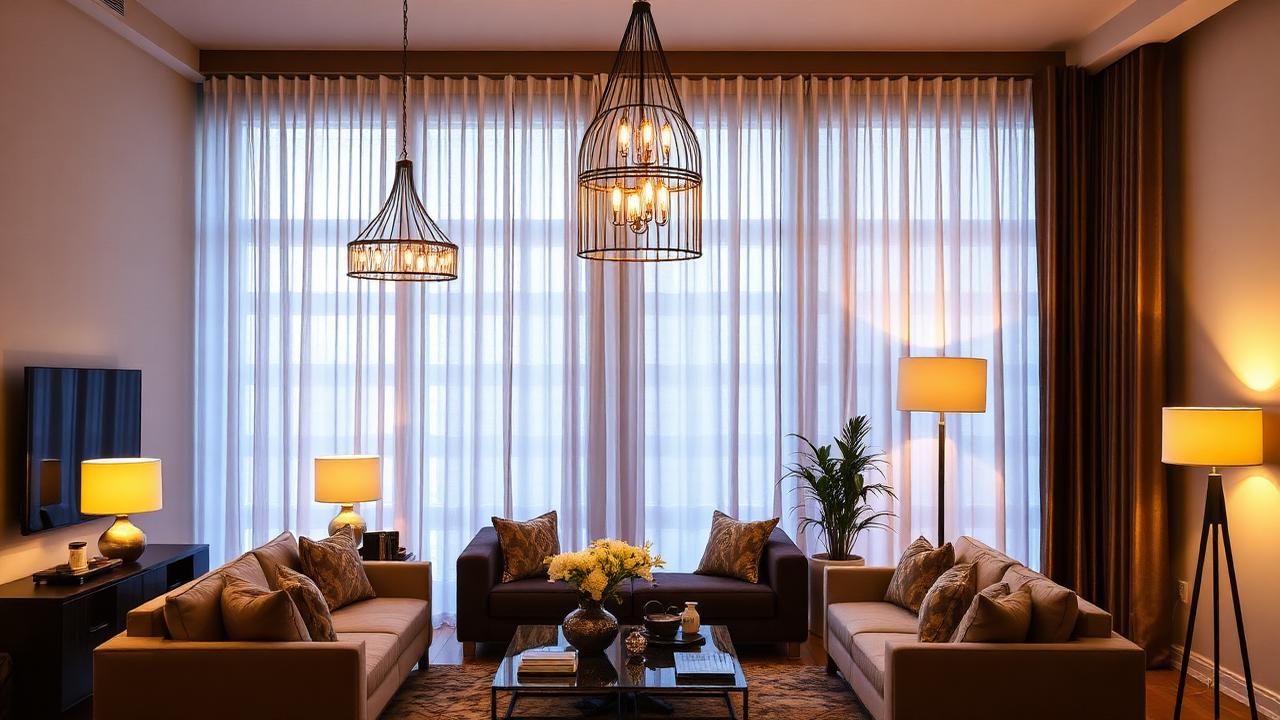
How to Refresh a Room with Just Lighting: Interior Design Tips
Justin Reynolds
Key Takeaways
Transform any room without renovation using strategic lighting. Learn interior design techniques for ambient, task, and accent lighting on any budget.
Skip ahead — run the numbers now
If you’re looking to revitalize your space without a major renovation, lighting may be your secret weapon. In interior design, lighting plays a powerful role — it can influence mood, create atmosphere, and completely transform the look and feel of a room.
The best part? You don’t need to break the bank or overhaul your décor to make a big impact. With thoughtful lighting choices, you can breathe new life into any room in your home.
Whether you’re a homeowner or renter, lighting is one of the easiest and most flexible ways to update a space. From changing bulbs to rethinking your layout, here’s how to refresh a room with just lighting.
1. Understand the Role of Lighting in Interior Design
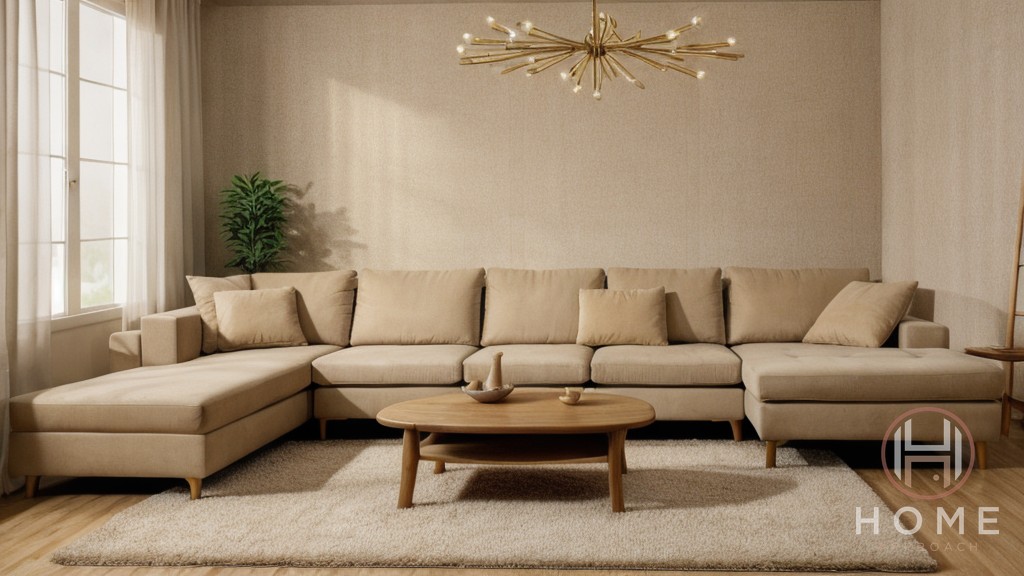
Before diving into fixtures and bulbs, it’s helpful to understand how lighting functions within the world of interior design. Lighting isn’t just about visibility — it’s a design element that shapes how we experience a space.
The three types of lighting you should know:
-
Ambient lighting – The general, overall light that fills a room (e.g., ceiling lights, chandeliers).
-
Task lighting – Targeted lighting for specific activities like reading or cooking (e.g., desk lamps, under-cabinet lights).
-
Accent lighting – Decorative lighting used to highlight features or create mood (e.g., sconces, LED strips, picture lights).
Refreshing a room means thinking about all three. A well-designed space layers these types of light to create dimension, warmth, and functionality.
Try it right here — no signup needed
Estimate Your DTI With Student Loans
Educational estimate only -- actual underwriting depends on your lender's specific program and overlays.
- Counted student loan payment
- $300/mo
- Estimated DTI
- 10.8%
2. Swap Out Bulbs for Instant Atmosphere
One of the fastest and most budget-friendly ways to update a room is by changing your light bulbs. The bulb you choose influences everything from color temperature to mood.
Tips for choosing the right bulb:
-
Warm light (2700K–3000K): Creates a cozy, inviting atmosphere. Great for living rooms and bedrooms.
-
Neutral light (3500K–4100K): Balanced and natural, ideal for kitchens and bathrooms.
-
Cool light (5000K–6500K): Mimics daylight, good for task lighting or workspaces.
-
Choose LED bulbs for energy efficiency and longer life.
Changing to warmer bulbs in your bedroom, for example, can instantly make the space feel more comfortable and relaxing — no new furniture required.
3. Add Layers of Light for Depth and Style
Layering lighting is a tried-and-true interior design technique that can turn a flat-looking room into a vibrant, dimensional space. Relying solely on a single overhead light often creates shadows and leaves corners feeling dark or unused.
How to layer your lighting:
-
Start with your main ambient source (ceiling fixture or recessed lights).
-
Add task lights like reading lamps, desk lights, or vanity lights where needed.
-
Finish with accent lights — think wall sconces, uplighting, or a small table lamp for mood.
Each layer serves a purpose and contributes to the room’s overall aesthetic. Even a small room can benefit from multiple sources of light — just scale the fixtures appropriately.
4. Upgrade Your Fixtures for a Stylish Focal Point
If your room feels outdated or lacks personality, consider changing out a dated light fixture for something more modern or eye-catching. Lighting fixtures act as functional art in interior design, offering a chance to reflect your style.
Popular fixture ideas to refresh a space:
-
Swap a basic flush-mount ceiling light for a chic pendant or mini chandelier.
-
Add a floor lamp with an interesting silhouette or material (e.g., brass, matte black, wood).
-
Replace builder-grade vanity lights with sconces or globe lights for a boutique feel.
Don’t underestimate the visual impact of a statement light fixture — it can instantly anchor the room and become a conversation piece.
5. Use Dimmers to Control the Mood
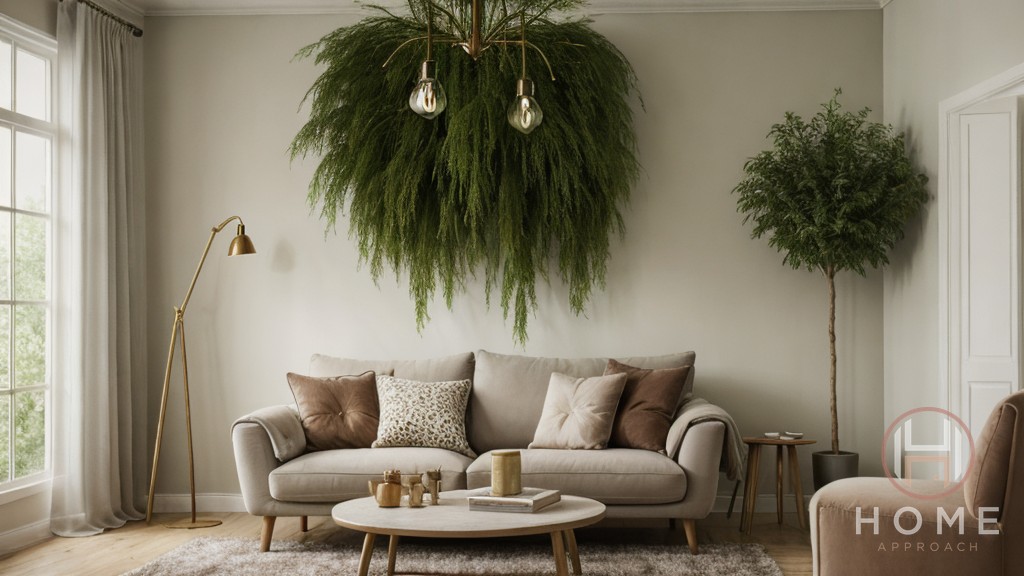
One of the smartest lighting upgrades you can make is installing dimmer switches. Dimmers allow you to adjust the brightness of a room based on the time of day, task at hand, or desired ambiance.
Benefits of using dimmers in your interior design:
-
Enhance the atmosphere for entertaining, relaxing, or working.
-
Extend the life of your light bulbs.
-
Increase energy efficiency by using only the light you need.
Even renters can benefit — smart bulbs and plug-in dimmable lamps offer similar flexibility without electrical installation.
6. Highlight Architectural Features With Accent Lighting
Lighting isn’t just functional — it’s also a design tool that can highlight the best parts of a room. Accent lighting can draw attention to architectural features, artwork, or décor you want to showcase.
Accent lighting ideas:
-
Install LED strip lights along shelves or under cabinets for a modern glow.
-
Use picture lights to emphasize your favorite wall art.
-
Add uplights behind plants or furniture to create soft, ambient drama.
These small touches can dramatically increase the perceived sophistication of a room — especially when layered with your main lighting sources.
7. Use Portable Lighting to Add Flexibility
If you’re renting or not ready for electrical upgrades, portable lighting offers a flexible way to refresh a room. Think beyond traditional lamps and consider battery-powered or plug-in options that can be moved and adjusted easily.
Try these renter-friendly lighting upgrades:
-
Clip-on reading lights for headboards or bookshelves
-
Rechargeable table lamps or lanterns for side tables and patios
-
Stick-on puck lights inside cabinets or closets
These solutions are not only practical but can also add a designer touch without requiring permanent changes.
8. Create Zones With Lighting
Modern interior design often emphasizes multifunctional spaces. Lighting can help define different zones within an open-concept room or studio apartment, creating distinct areas for work, relaxation, and dining.
Use lighting to define zones by:
-
Placing a pendant light over the dining table
-
Using a task lamp in your home office nook
-
Adding a cozy floor lamp in your reading corner
This approach not only enhances function but also adds structure and flow to the room — all through lighting alone.
Illuminate Your Interior Design With Intention!
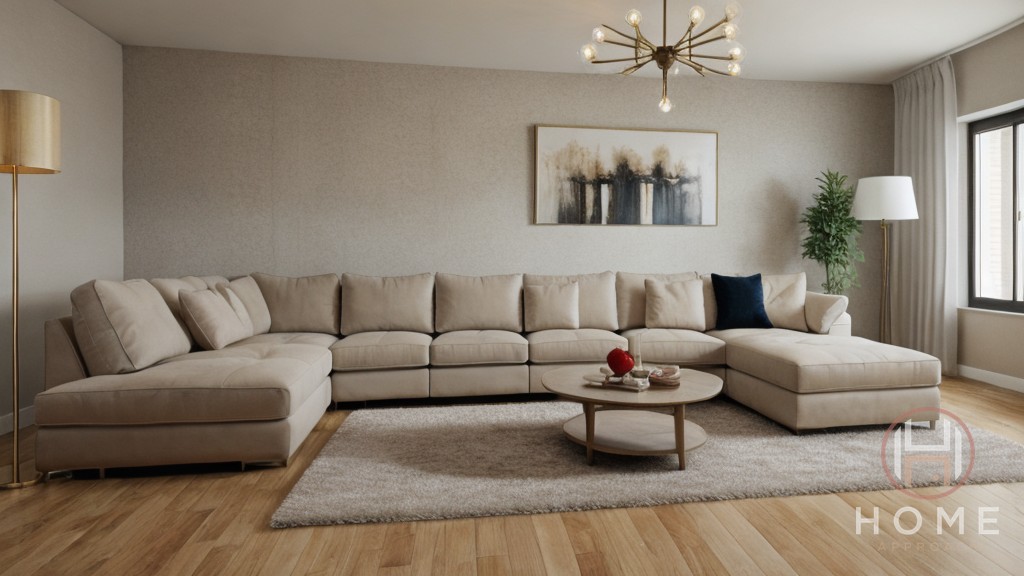
Refreshing a room doesn’t always require paint, new furniture, or major renovations. Sometimes, a shift in lighting is all it takes to make your space feel brighter, cozier, and more intentional.
By understanding the role lighting plays in interior design — and learning how to layer, control, and style your fixtures — you can create a space that looks and feels completely renewed.
Ready to transform your space with light? Start small: swap a bulb, add a lamp, or rearrange your lighting setup. Whether you rent or own, there’s always a way to use lighting as a creative and impactful design tool.
For more tips and inspiration, learn how to add color to your home without a single paintbrush stroke.
Our Team at Home Approach has created the best guide for a variety of easy money-making ideas. We have listed 5 Ways…
.
Try these free tools
All toolsHome Approach may pay featured experts for their time creating education. Some also work in real estate or lending. If you choose to work with one, they're paid the normal way through your transaction. Home Approach never receives any part of it.
Step by Step
1. Understand the Role of Lighting in Interior Design
Before diving into fixtures and bulbs, it’s helpful to understand how lighting functions within the world of interior design. Lighting isn’t just about visibility — it’s a design element that shapes how we experience a space. The three types of lighting you should know: Ambient lighting – The general, overall light that fills a room (e.g., ceiling lights, chandeliers)., Task lighting – Targeted…
2. Swap Out Bulbs for Instant Atmosphere
One of the fastest and most budget-friendly ways to update a room is by changing your light bulbs. The bulb you choose influences everything from color temperature to mood. Tips for choosing the right bulb: Warm light (2700K–3000K): Creates a cozy, inviting atmosphere. Great for living rooms and bedrooms., Neutral light (3500K–4100K): Balanced and natural, ideal for kitchens and bathrooms., Cool…
3. Add Layers of Light for Depth and Style
Layering lighting is a tried-and-true interior design technique that can turn a flat-looking room into a vibrant, dimensional space. Relying solely on a single overhead light often creates shadows and leaves corners feeling dark or unused. How to layer your lighting: Start with your main ambient source (ceiling fixture or recessed lights)., Add task lights like reading lamps, desk lights, or…
4. Upgrade Your Fixtures for a Stylish Focal Point
If your room feels outdated or lacks personality, consider changing out a dated light fixture for something more modern or eye-catching. Lighting fixtures act as functional art in interior design, offering a chance to reflect your style. Popular fixture ideas to refresh a space: Swap a basic flush-mount ceiling light for a chic pendant or mini chandelier., Add a floor lamp with an interesting…
5. Use Dimmers to Control the Mood
One of the smartest lighting upgrades you can make is installing dimmer switches. Dimmers allow you to adjust the brightness of a room based on the time of day, task at hand, or desired ambiance. Benefits of using dimmers in your interior design: Enhance the atmosphere for entertaining, relaxing, or working., Extend the life of your light bulbs., Increase energy efficiency by using only the light…
6. Highlight Architectural Features With Accent Lighting
Lighting isn’t just functional — it’s also a design tool that can highlight the best parts of a room. Accent lighting can draw attention to architectural features, artwork, or décor you want to showcase. Accent lighting ideas: Install LED strip lights along shelves or under cabinets for a modern glow., Use picture lights to emphasize your favorite wall art., Add uplights behind plants or…
7. Use Portable Lighting to Add Flexibility
If you’re renting or not ready for electrical upgrades, portable lighting offers a flexible way to refresh a room. Think beyond traditional lamps and consider battery-powered or plug-in options that can be moved and adjusted easily. Try these renter-friendly lighting upgrades: Clip-on reading lights for headboards or bookshelves, Rechargeable table lamps or lanterns for side tables and patios…
8. Create Zones With Lighting
Modern interior design often emphasizes multifunctional spaces. Lighting can help define different zones within an open-concept room or studio apartment, creating distinct areas for work, relaxation, and dining. Use lighting to define zones by: Placing a pendant light over the dining table, Using a task lamp in your home office nook, Adding a cozy floor lamp in your reading corner. This approach…
Illuminate Your Interior Design With Intention!
Refreshing a room doesn’t always require paint, new furniture, or major renovations. Sometimes, a shift in lighting is all it takes to make your space feel brighter, cozier, and more intentional. By understanding the role lighting plays in interior design — and learning how to layer, control, and style your fixtures — you can create a space that looks and feels completely renewed. Ready to…
Home Approach Straight To Your Inbox
Get the insights you need to achieve your homeownership goals!