
How to Choose the Right Rug Size: An Interior Design Guide
Justin Reynolds
Key Takeaways
Learn how to choose the perfect rug size for any room. This interior design guide covers living rooms, bedrooms, dining areas, and common sizing mistakes.
Skip ahead — run the numbers now
When it comes to interior design, few pieces can transform a space as effortlessly as a rug. The right rug can anchor furniture, define areas, add warmth, and introduce texture or color.
But beyond its style and pattern, one factor often determines whether a rug enhances or overwhelms a space — its size. Choosing the right rug size can make or break a room’s layout, making it one of the most important (and often overlooked) steps in home decorating.
If you’ve ever bought a rug that felt “off” — too small, too big, or awkwardly placed — you’re not alone. Getting the right proportions takes a bit of planning and a touch of design know-how.
In this guide, we’ll walk you through how to choose the perfect rug size for every room, using professional interior design principles that ensure balance and harmony throughout your home.
Why Rug Size Matters in Interior Design
Rugs do more than decorate — they define the way a space feels and functions. In interior design, rug placement affects everything from the perceived size of a room to how furniture relates to each other. The wrong size can throw off your layout, while the right one can make a room feel cohesive, intentional, and inviting.
Here’s what a well-sized rug can do for your space:
-
Create visual zones: Rugs help define different areas, especially in open-concept homes.
-
Add proportion and balance: A correctly sized rug grounds furniture and ties the room together.
-
Enhance comfort: Large rugs feel luxurious underfoot and reduce noise in busy spaces.
-
Highlight design choices: The right rug emphasizes your furniture arrangement, colors, and textures.
Try it right here — no signup needed
Forgivable Loans
Employees borrow money from their employer with the agreement that the loan is forgiven if certain conditions are met, usually after a specified period.
Direct Grants
A sum of money toward a down payment or closing costs. Unlike loans, these funds don't need to be repaid.
Matched Savings
Some programs match employee savings for a down payment or closing costs dollar-for-dollar up to a certain limit.
Lender Partnerships
Employers partner with lenders to offer better mortgage terms, lower interest rates, or reduced fees.
Shared Equity
Employers share in a home's appreciation over time -- employees may receive a portion of the property's value when they sell or refinance.
Counseling
Counseling services to help employees navigate the home buying process, understand mortgage options, and make informed decisions.
How to Choose the Right Rug Size for Each Room
Every room has its own layout and function, which means rug sizes should vary accordingly. Below, we’ll break down how to choose the ideal dimensions for your living room, bedroom, dining area, and more — all with interior design principles in mind.
1. Living Room Rugs
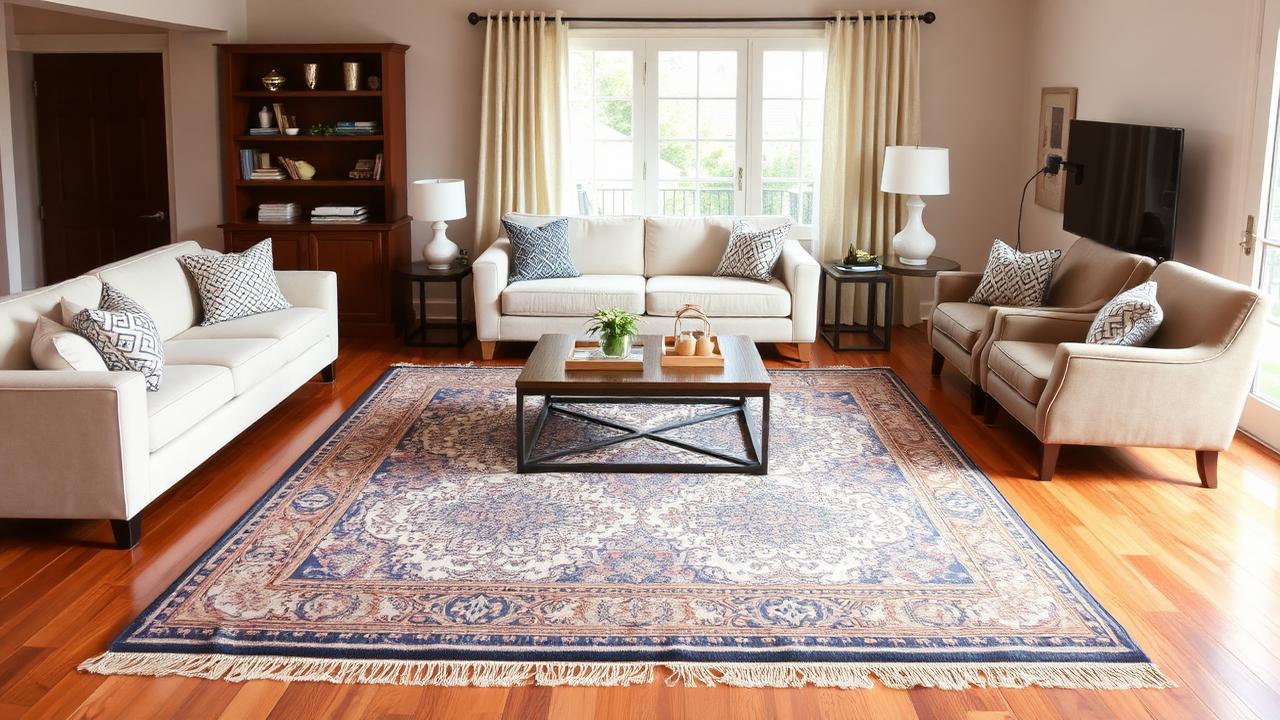
The living room is often where people make the most common rug mistake: buying one that’s too small. A rug that only covers the coffee table area can make the space feel disjointed.
Instead, you want a rug that visually connects all the seating pieces — you know, the kind of rug that really ties the room together.
Here are three classic layout options used by interior design experts:
-
All legs on: Ideal for large rooms. The rug extends under all furniture legs, creating a unified look.
-
Front legs on: Great for medium-sized spaces. The front legs of sofas and chairs rest on the rug, grounding the arrangement.
-
Coffee table only: Works in small living rooms. A smaller rug sits under the coffee table, with furniture placed around it.
Recommended sizes: 8’x10’ or 9’x12’ for large living rooms; 5’x8’ or 6’x9’ for smaller ones.
2. Bedroom Rugs
In the bedroom, the goal is comfort and proportion. You want a rug that extends beyond the sides and foot of the bed, providing a soft landing when you wake up.
-
For a king bed: Choose a rug around 9’x12’ — it should extend about 18–24 inches past the bed frame on all sides.
-
For a queen bed: Go for an 8’x10’ rug to achieve balanced coverage.
-
For smaller rooms: Use runners on either side of the bed for symmetry and warmth.
Pro tip from interior design pros: Keep nightstands off the rug if space is tight — just make sure the rug still extends far enough to feel intentional.
3. Dining Room Rugs
A dining rug should do more than look stylish — it should serve a practical purpose. You want chairs to remain fully on the rug even when pulled out. That means adding at least 24 inches of rug space beyond all sides of the table.
Rug size guidelines:
-
For a 6-person table: 8’x10’ rug.
-
For an 8-person table: 9’x12’ rug.
-
For round tables: Choose a round rug at least 8 feet in diameter.
Stick with low-pile or flatweave rugs for easy cleaning and chair movement — a favorite choice among interior design experts for high-traffic dining spaces.
4. Entryway Rugs
Entryways set the tone for your entire home, and a rug can make that first impression count. When choosing a rug here, think about both durability and scale.
-
For small foyers: Try a 3’x5’ or 4’x6’ rug centered under your console table.
-
For long hallways: Runners work beautifully — 2’6”x8’ or 3’x10’ are common sizes.
Natural fiber rugs like jute or sisal are popular in interior design for entryways because they’re both stylish and durable.
5. Kitchen and Bathroom Rugs
Smaller rugs and runners can bring comfort and personality to utilitarian spaces. Use them to soften hard flooring and add color or pattern.
-
In kitchens: Place a runner between counters and islands or a small rug near the sink.
-
In bathrooms: Layer washable rugs near the vanity or tub for a spa-like touch.
Choose materials that are easy to clean and moisture-resistant — such as cotton, synthetic blends, or washable rugs — to balance beauty and practicality.
How to Measure and Visualize Rug Placement
Before buying, take time to measure your space. Many interior design professionals recommend using painter’s tape to outline potential rug sizes on your floor. This helps you visualize scale and placement before committing to a purchase.
Here’s a quick measuring checklist:
-
Measure your furniture layout, not just the room dimensions.
-
Leave at least 6–12 inches of exposed floor around the rug’s perimeter (except in bedrooms).
-
Ensure high-traffic paths aren’t half-on, half-off the rug — it can cause tripping or uneven wear.
Visual balance is key — the rug should anchor your furniture, not float in the middle of an empty floor.
Rug Layering: An Interior Design Trend to Try
If you love mixing textures and patterns, rug layering is a creative way to personalize your space. This interior design trend involves placing a smaller rug on top of a larger one — often pairing neutral bases with bold accent rugs.
Popular combinations include:
-
A natural jute rug with a patterned Persian or Moroccan rug layered over it.
-
A solid wool rug topped with a vintage kilim for contrast.
-
Rectangular rugs paired with smaller round ones for visual interest.
Layering is especially useful when you already own a rug that’s slightly too small — adding a neutral base helps fill the room while keeping your design cohesive.
Common Rug Sizing Mistakes to Avoid
Even the most beautifully designed space can look awkward if the rug isn’t the right size. Avoid these common pitfalls to keep your interior design polished:
-
Buying a rug that’s too small: It can make a large room feel disjointed and unfinished.
-
Ignoring furniture placement: Always consider how the rug interacts with your layout, not just your floor size.
-
Skipping rug pads: They prevent slipping and extend your rug’s life — a detail pros never overlook.
-
Choosing the wrong shape: Match the rug shape to the room or table (e.g., round rug for round tables).
Anchor Your Design with the Perfect Rug
In interior design, the right rug isn’t just decoration — it’s the foundation of your room’s personality. It defines your space, complements your furniture, and brings harmony to your overall design. Whether you’re styling a cozy studio or a spacious living area, investing time in choosing the right rug size ensures your space looks intentional and feels complete.
Ready to elevate your home? Start by measuring your space, exploring layouts, and finding the rug that grounds your design beautifully. With the right proportions, every room can feel perfectly balanced — and unmistakably yours.
Once you’ve got your rug game ironed down, learn how to enhance your house with lighting.
.
.
Try these free tools
All toolsHome Approach may pay featured experts for their time creating education. Some also work in real estate or lending. If you choose to work with one, they're paid the normal way through your transaction. Home Approach never receives any part of it.
Step by Step
Why Rug Size Matters in Interior Design
Rugs do more than decorate — they define the way a space feels and functions. In interior design, rug placement affects everything from the perceived size of a room to how furniture relates to each other. The wrong size can throw off your layout, while the right one can make a room feel cohesive, intentional, and inviting. Here’s what a well-sized rug can do for your space: Create visual zones…
How to Choose the Right Rug Size for Each Room
Every room has its own layout and function, which means rug sizes should vary accordingly. Below, we’ll break down how to choose the ideal dimensions for your living room, bedroom, dining area, and more — all with interior design principles in mind.
1. Living Room Rugs
The living room is often where people make the most common rug mistake: buying one that’s too small. A rug that only covers the coffee table area can make the space feel disjointed. Instead, you want a rug that visually connects all the seating pieces — you know, the kind of rug that really ties the room together. Here are three classic layout options used by interior design experts: All legs on…
2. Bedroom Rugs
In the bedroom, the goal is comfort and proportion. You want a rug that extends beyond the sides and foot of the bed, providing a soft landing when you wake up.: For a king bed: Choose a rug around 9’x12’ — it should extend about 18–24 inches past the bed frame on all sides., For a queen bed: Go for an 8’x10’ rug to achieve balanced coverage., For smaller rooms: Use runners on either side of the…
3. Dining Room Rugs
A dining rug should do more than look stylish — it should serve a practical purpose. You want chairs to remain fully on the rug even when pulled out. That means adding at least 24 inches of rug space beyond all sides of the table. Rug size guidelines: For a 6-person table: 8’x10’ rug., For an 8-person table: 9’x12’ rug., For round tables: Choose a round rug at least 8 feet in diameter. Stick with…
4. Entryway Rugs
Entryways set the tone for your entire home, and a rug can make that first impression count. When choosing a rug here, think about both durability and scale.: For small foyers: Try a 3’x5’ or 4’x6’ rug centered under your console table., For long hallways: Runners work beautifully — 2’6”x8’ or 3’x10’ are common sizes. Natural fiber rugs like jute or sisal are popular in interior design for…
5. Kitchen and Bathroom Rugs
Smaller rugs and runners can bring comfort and personality to utilitarian spaces. Use them to soften hard flooring and add color or pattern.: In kitchens: Place a runner between counters and islands or a small rug near the sink., In bathrooms: Layer washable rugs near the vanity or tub for a spa-like touch. Choose materials that are easy to clean and moisture-resistant — such as cotton, synthetic…
How to Measure and Visualize Rug Placement
Before buying, take time to measure your space. Many interior design professionals recommend using painter’s tape to outline potential rug sizes on your floor. This helps you visualize scale and placement before committing to a purchase. Here’s a quick measuring checklist: Measure your furniture layout, not just the room dimensions., Leave at least 6–12 inches of exposed floor around the rug’s…
Rug Layering: An Interior Design Trend to Try
If you love mixing textures and patterns, rug layering is a creative way to personalize your space. This interior design trend involves placing a smaller rug on top of a larger one — often pairing neutral bases with bold accent rugs. Popular combinations include: A natural jute rug with a patterned Persian or Moroccan rug layered over it., A solid wool rug topped with a vintage kilim for…
Common Rug Sizing Mistakes to Avoid
Even the most beautifully designed space can look awkward if the rug isn’t the right size. Avoid these common pitfalls to keep your interior design polished: Buying a rug that’s too small: It can make a large room feel disjointed and unfinished., Ignoring furniture placement: Always consider how the rug interacts with your layout, not just your floor size., Skipping rug pads: They prevent…
Anchor Your Design with the Perfect Rug
In interior design, the right rug isn’t just decoration — it’s the foundation of your room’s personality. It defines your space, complements your furniture, and brings harmony to your overall design. Whether you’re styling a cozy studio or a spacious living area, investing time in choosing the right rug size ensures your space looks intentional and feels complete. Ready to elevate your home?…
Home Approach Straight To Your Inbox
Get the insights you need to achieve your homeownership goals!