
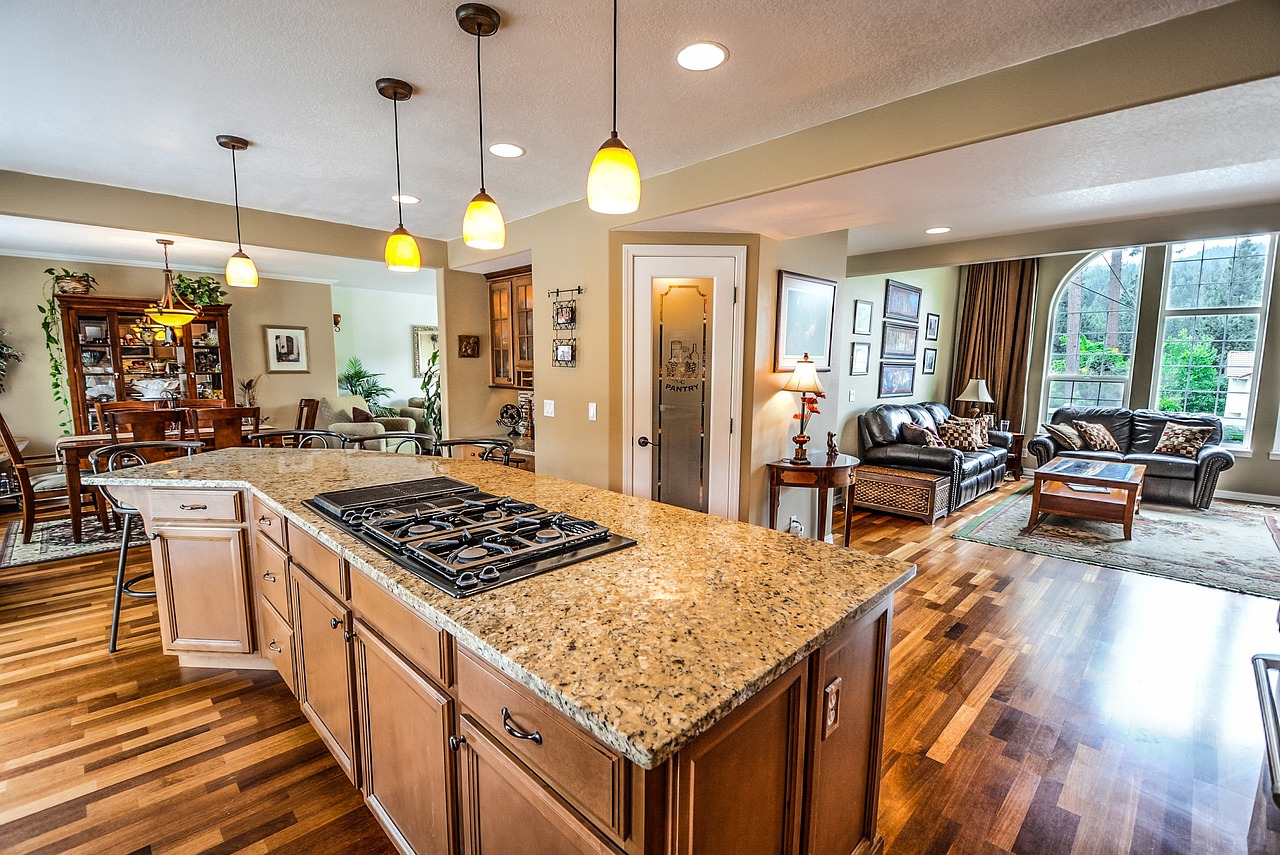
The Psychology of Touring Homes: What Buyers Really Feel
Justin Reynolds
Key Takeaways
- Your brain decides if a home feels right in 90 seconds through smell, light, and spatial cues—before logic kicks in.
- Real estate agents strategically control room order, lighting, and language to trigger emotional responses that override practical concerns.
- Visit homes multiple times at different hours, take notes, and distinguish between genuine fit and feelings created by staging.
Skip ahead — run the numbers now
You walk through a front door and something clicks.
Within 90 seconds, you've already decided if this house feels like home—before you've even seen the master bedroom.
Your rational brain hasn't had time to calculate square footage or compare mortgage rates. Instead, your limbic system has hijacked the decision-making process, flooding you with gut feelings based on sensory input and spatial perception.
This isn't an accident.
Real estate agents, home stagers, and even builders understand the psychology of home touring at a granular level. The smell, the light, the flow of rooms, the color of the walls: these aren't decorative afterthoughts. They're engineered experiences designed to trigger emotional responses that often override logic.
Understanding how this works can help you tour homes more intentionally and recognize when your feelings are being guided by design rather than genuine fit.
The First 90 Seconds: Your Limbic System Takes Control
Research in neuroscience and consumer psychology shows that humans form snap judgments about spaces almost instantly. A recent study found that people make lasting impressions of environments within the first few seconds of entering them, with most emotional responses locked in in as fast as 7 seconds.
What's happening is that your amygdala and hippocampus—the emotional and memory centers of your brain—are processing sensory data faster than your prefrontal cortex can think critically.
When you step into a home, you're not consciously evaluating whether the floor plan makes logical sense. Instead, you're feeling the weight of the space, noticing light sources, picking up on smells, hearing how sound travels. These sensory cues bypass conscious reasoning and go straight to emotion.
That's why you can feel an immediate sense of comfort or unease in a room that, on paper, checks all your boxes. Your body is running a rapid risk assessment: Does this feel safe? Does it feel welcoming? Does it feel like mine?
This limbic dominance is precisely why staging works and why real estate professionals are so meticulous about controlling these first moments. A home staged to trigger positive emotional responses doesn't need perfection; it needs psychology.
Key points about the initial impression:
- The amygdala processes visual information 24 milliseconds before your conscious mind registers it
- Scent is processed directly by the limbic system, bypassing the thalamus, making smell the fastest emotional trigger
- Light triggers circadian responses and mood regulation through your retinas, affecting perceived spaciousness
- Layout perception activates both spatial reasoning and emotional safety responses
- Color psychology affects heart rate, cortisol levels, and perceived temperature within seconds
- Open sightlines create feelings of control; blocked views create anxiety, even subconsciously
Try it right here — no signup needed
Forgivable Loans
Employees borrow money from their employer with the agreement that the loan is forgiven if certain conditions are met, usually after a specified period.
Direct Grants
A sum of money toward a down payment or closing costs. Unlike loans, these funds don't need to be repaid.
Matched Savings
Some programs match employee savings for a down payment or closing costs dollar-for-dollar up to a certain limit.
Lender Partnerships
Employers partner with lenders to offer better mortgage terms, lower interest rates, or reduced fees.
Shared Equity
Employers share in a home's appreciation over time -- employees may receive a portion of the property's value when they sell or refinance.
Counseling
Counseling services to help employees navigate the home buying process, understand mortgage options, and make informed decisions.
How Smell, Light, and Sound Shape Decisions Without You Realizing
Your sense of smell is directly hardwired to emotion and memory in ways that vision and hearing are not. The olfactory bulb connects directly to the limbic system, which is why a specific smell can instantly transport you to childhood or trigger an inexplicable feeling of dread.
This is why real estate agents recommend fresh-baked cookies or vanilla candles during open houses. It's neuroscience. Conversely, the smell of pet urine, mold, or stale air can sabotage an otherwise perfect home within seconds.
Light affects mood through multiple pathways. Natural light triggers serotonin production and signals safety; it also makes spaces appear larger and more valuable. A room flooded with warm morning light feels fundamentally different from the same room lit by harsh overhead fluorescents, even though the square footage hasn't changed. Real estate professionals understand this deeply, which is why homes are shown during peak daylight hours and why soft, layered lighting is a staging staple. Studies in environmental psychology show that inadequate or harsh lighting can hurt us.
Sound and acoustic comfort also matter more than most buyers realize. A home that echoes or has poor sound absorption can feel cold and unwelcoming, triggering a subtle sense of instability. Conversely, spaces with good acoustic dampening feel warmer and more intimate, even if they're objectively the same size.
Why Certain Layouts "Feel Right" Even If They're Impractical
Your brain evolved in environments where spatial understanding meant survival.
Open, flowing layouts feel inherently safe because they allow you to see threats coming. Rooms with clear sightlines to entryways reduce cognitive load; your brain isn't working overtime to feel secure. A layout that forces you to navigate through multiple narrow hallways or hidden corners triggers subtle anxiety, even if you can't articulate why.
This is why open-concept living became so popular, regardless of whether it actually works for how families live today. The layout triggered a deep, primal sense of control and security.
Conversely, a compartmentalized home with smaller, defined rooms might be more practical and quieter, but it can feel claustrophobic on first impression because your nervous system is responding to spatial constraints, not functional benefits.
The placement of the kitchen relative to living spaces, the visibility of bedrooms from the entry, the number of "dead end" rooms. These all register emotionally before they register logically. A buyer might intellectually recognize that a floor plan is inefficient, but if the layout feels right, that emotional response often overrides practical objections.
How Real Estate Agents Guide (and Sometimes Manipulate) Your Experience
Professional real estate agents are essentially environmental psychologists, whether or not they've studied it formally. They know which order to show rooms for maximum impact.
Typically, the tour starts with the least impressive spaces to build suspense, peaks with the kitchen and master bedroom, and ends with outdoor space or a view, leaving you with a positive final impression. This sequencing affects your overall judgment of the property.
Agents also use verbal framing to influence perception. A small bedroom becomes "cozy" or "intimate." A lack of storage is a "minimalist design opportunity." A noisy location is described as "vibrant and walkable."
These aren't outright lies; they're reframings designed to activate certain emotional associations and suppress others.
Some agents strategically position you in rooms to highlight size; standing at a diagonal across a bedroom makes it feel larger than standing at the foot of the bed. Lighting during the showing is rarely accidental. Open doors are positioned to maximize sightlines. Clutter is cleared because visual chaos increases cognitive load and decreases emotional attachment.
This isn't necessarily unethical. Good staging and presentation are part of the service. But recognizing these techniques helps you tour more objectively.

How to Tour Homes More Intentionally and Resist Emotional Override
Slow down and notice your physical responses. Before registering your emotional reaction, pay attention to your body. Are you tense or relaxed? Does your breathing change? Physical sensations often reveal what your conscious mind hasn't caught yet.
Visit the same home at different times of day. Light changes dramatically from morning to afternoon to evening. See how the space functions without the artificial advantage of peak daylight or carefully timed agent showings.
Spend 10 minutes alone in the home if possible. Request a second viewing where you can sit quietly without the agent narrating. Notice what bothers you when you're not being influenced by enthusiasm or sales pitch.
Take photos and notes immediately after leaving. Your memory of a home will be shaped by emotional impression, which fades quickly. Objective documentation, even just a list of what you actually saw versus what you felt, helps you evaluate rationally later.
Visit homes in order of least to most desirable. Reverse the agent's strategy. Tour your realistic options first so you have baseline comparisons before you get emotionally invested in a dream property.
Frequently Asked Questions
Why do homes feel different when I tour them a second time?
The initial emotional impression, which is intense and memorable, naturally fades when you revisit a property without that novelty and anticipation. You're also more likely to notice practical issues on the second tour that you missed during the emotionally heightened first visit.
Can I train myself to be less emotionally reactive when touring homes?
Partially, yes. By being aware of how your emotions are being triggered and deliberately slowing down your decision-making process, you can create space between impulse and judgment. However, your limbic response will always be faster than your rational mind—the goal is to acknowledge both.
Should I ignore my gut feeling about a home?
No. But you should distinguish between gut feelings based on genuine fit and those triggered by staging or agent influence. A persistent sense of wrongness about a space is worth investigating. A love at first sight based primarily on fresh flowers and soft lighting deserves more skepticism.
Next Steps for First-Time Buyers
The experience of touring homes is real and valid. Emotions about spaces matter because you'll be living in them.
But your first impression is deliberately engineered, which means it's incomplete. Don't dismiss your feelings; just don't let them be the final word.
Start building awareness now by visiting homes without pressure to buy. Notice what you actually respond to versus what you think you should respond to. Use second viewings, different times of day, and quiet moments alone in the space to separate the emotional theater from the actual house. When you find yourself falling in love quickly, pause and ask: Am I responding to the home itself, or to how it's been presented to me? That question alone can save you hundreds of thousands of dollars and prevent buyer's remorse.
Ready to tour smarter? Work with a real estate agent who can explain the "why" behind their staging and presentation choices, not just execute them.
The best agents are transparent about the psychology of home selling. They use it professionally. Your home decision is too important to leave to your amygdala alone.
Try these free tools
All toolsFAQ
Home Approach Straight To Your Inbox
Get the insights you need to achieve your homeownership goals!