How to Make a Small Home Feel Larger (Layouts, Lighting, and Flow)
Justin Reynolds
Key Takeaways
Practical layout, lighting, color, and storage tricks to make any small home feel brighter, more open, and easier to live in — no renovation required.
Skip ahead — run the numbers now
If you live in a compact apartment, condo, or starter home, you've probably wondered how to make a small home feel larger without knocking down walls or taking on a major renovation.
The good news is that square footage is only part of what determines how spacious a home feels. Layout, lighting, furniture placement, and visual design all play a significant role in shaping your perception of space.
Whether you own your home or rent, a few strategic changes can make even the smallest rooms feel brighter, more open, and easier to live in.
From maximizing natural light to choosing multi-functional furniture, these practical design techniques can transform cramped quarters into comfortable, airy spaces.
In this guide, you'll learn exactly how to make a small home feel larger using smart layouts, thoughtful lighting, and better flow.
Start with a Layout That Maximizes Space
The first step in making a small home feel larger is evaluating how your furniture is arranged. In many cases, the room itself is not the problem. The layout is.
When furniture blocks pathways or crowds the center of the room, the entire space feels tighter. A more intentional arrangement can instantly create openness.
Keep Walking Paths Clear
Aim for an unobstructed route through each room. When you can move freely, the room naturally feels more spacious.
- Leave at least 30 to 36 inches for major walkways
- Avoid placing furniture directly in front of doorways
- Minimize sharp turns or narrow passageways
- Use fewer, better-sized pieces rather than too many small items
Float Furniture Away from Walls
Pushing every piece against the wall may seem like a way to open up the center, but it can actually emphasize the room's limited dimensions. Pulling a sofa or chair a few inches away from the wall adds depth and creates a more balanced look.
Define Functional Zones
In open-concept apartments or studio spaces, use rugs, lighting, and furniture placement to establish distinct areas for living, dining, and working. Clear zones make a small home feel more organized and less chaotic.
Try it right here — no signup needed
DIY vs. Pro Cost Calculator
Educational estimate only -- actual costs vary by project, location, and contractor.
- DIY total cost (materials + time tax)
- $480
- Professional quote
- $800
Doing it yourself saves about $320 once your time is valued at $30/hour.
Use Light to Make a Small Home Feel Larger
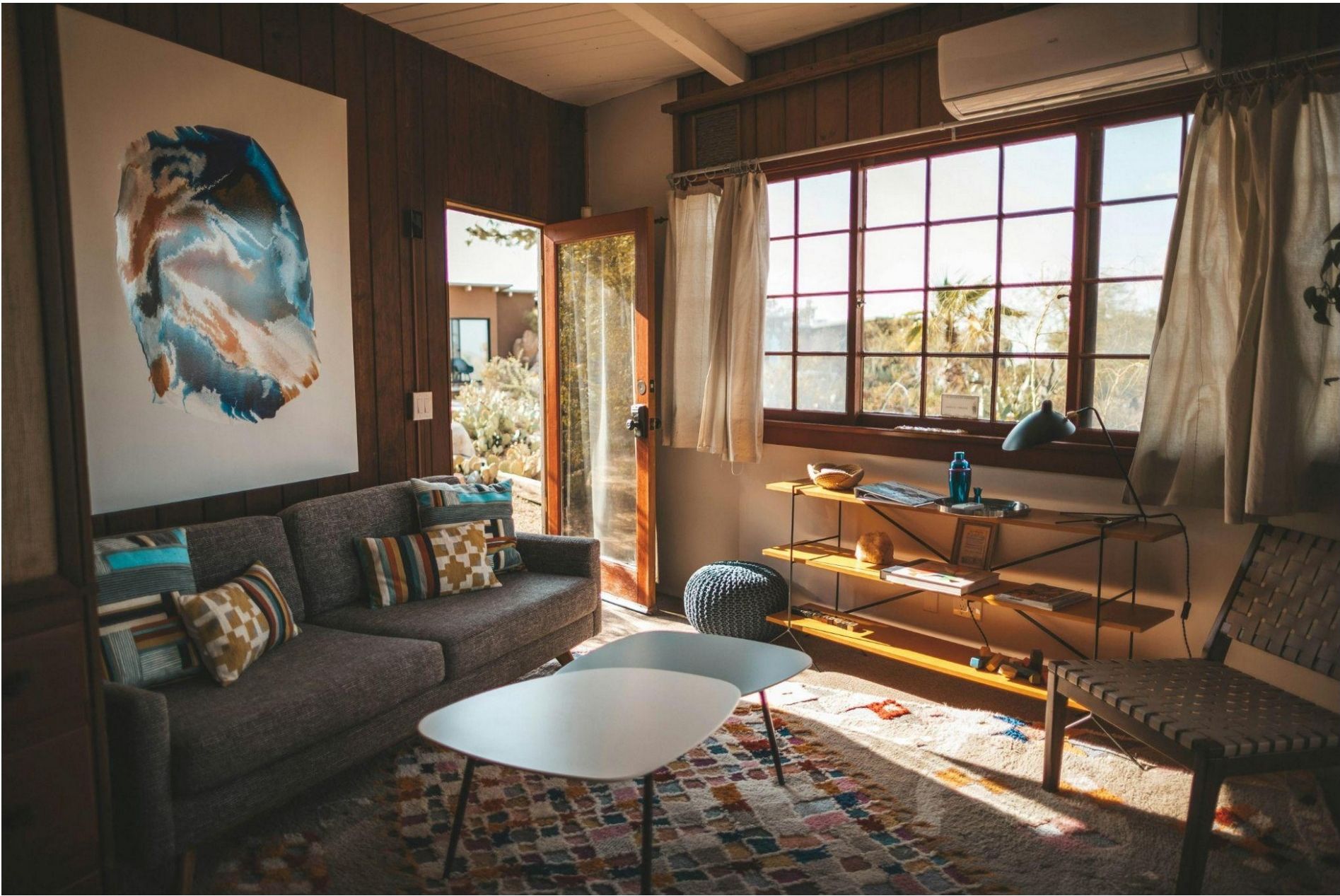
Lighting is one of the most effective tools for creating the illusion of space. Bright rooms feel open and welcoming, while dim corners can make a home feel smaller than it is.
Maximize Natural Light
Natural light visually expands a room and softens boundaries.
To let in as much daylight as possible:
- Choose sheer curtains or light-filtering shades
- Hang curtain rods close to the ceiling
- Extend curtains beyond the window frame
- Keep windows uncluttered
Mounting curtains higher and wider makes windows appear larger and draws the eye upward, increasing the sense of height.
Layer Artificial Lighting
A single overhead fixture often leaves shadows that shrink a room. Layering several light sources creates a more even and expansive effect.
Use a combination of:
- Ceiling fixtures
- Floor lamps
- Table lamps
- Wall sconces
- Under-cabinet lighting
Warm white bulbs around 2700K to 3000K tend to create a comfortable and inviting atmosphere.
Brighten Dark Corners
Corners that are poorly lit can make a room feel boxed in. Adding a slim floor lamp or small accent light helps extend the perceived boundaries of the room.
Choose Colors That Open Up a Small Space
Color has a major influence on how large or small a room appears. Lighter tones reflect more light, which can make walls seem farther apart.
Stick to a Light, Cohesive Palette
Whites, soft grays, warm beiges, and pale neutrals are excellent choices when trying to make a small home feel larger.
A consistent color palette throughout the home creates visual continuity, allowing one room to flow seamlessly into the next.
Use Contrast Sparingly
Too many abrupt color changes can break up the space. Instead, introduce contrast through textures and subtle accents such as pillows, rugs, and artwork.
Paint Ceilings a Light Color
A bright ceiling draws the eye upward and helps rooms feel taller. In spaces with low ceilings, this simple change can have a dramatic effect.
Select Furniture That Works Harder
Furniture size and functionality matter more than many people realize. The right pieces can provide everything you need without overwhelming the room.
Invest in Multi-Functional Furniture
Look for items that serve more than one purpose.
Popular options include:
- Storage ottomans
- Beds with built-in drawers
- Expandable dining tables
- Nesting tables
- Wall-mounted desks
These pieces reduce clutter and maximize usable space.
Choose Furniture with Visible Legs
Sofas, chairs, and tables that sit on raised legs reveal more floor area, which makes the room appear less crowded.
Scale Furniture Appropriately
Oversized furniture can dominate a small room, but pieces that are too tiny can also create visual clutter. Select items that fit the dimensions of the room and leave enough breathing room around them.
Reduce Clutter to Create Better Flow
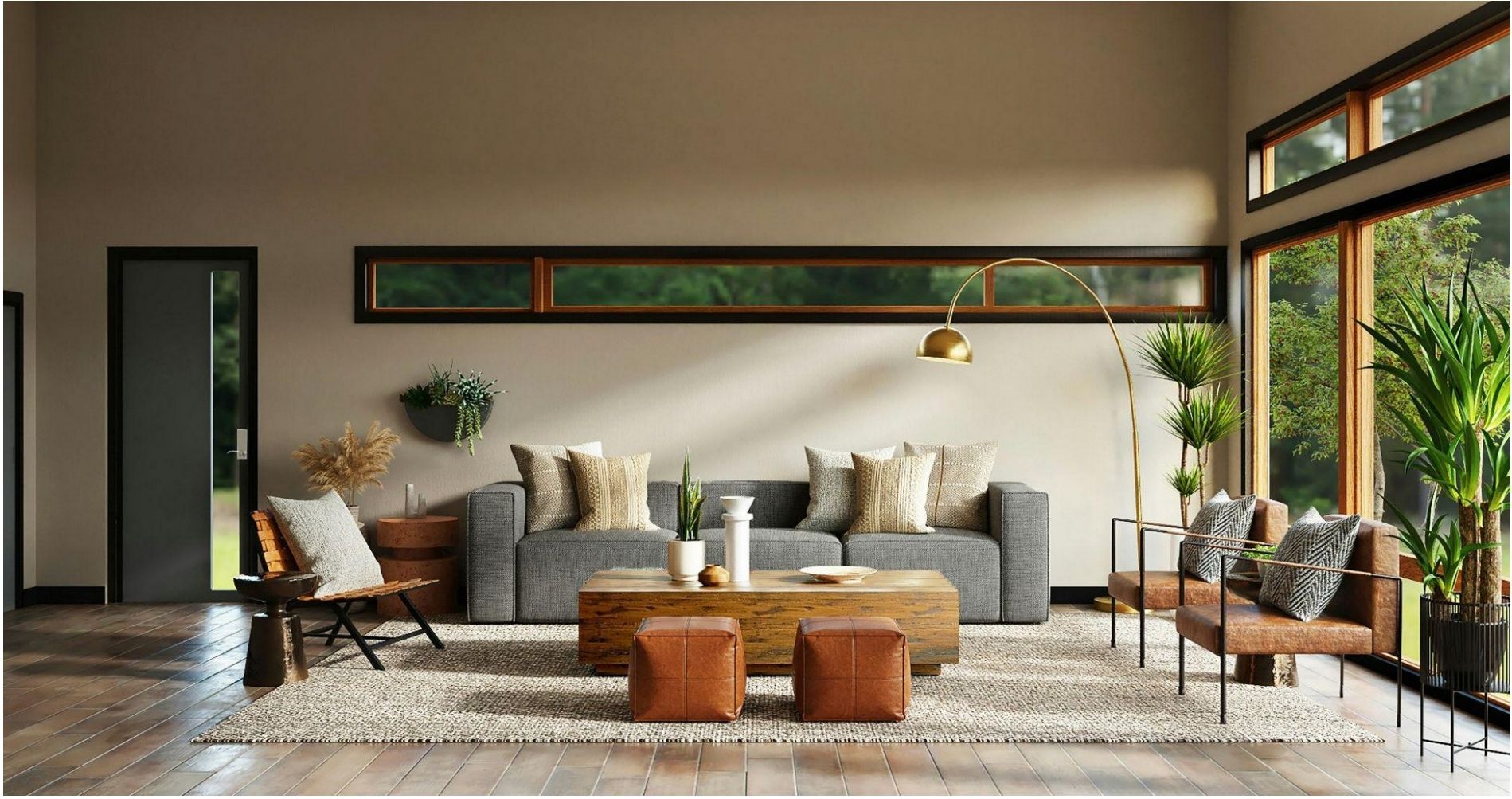
Clutter is one of the fastest ways to make a home feel smaller. Even a well-designed room can seem cramped when surfaces are overloaded.
Keep Surfaces Clear
Maintain open space on countertops, coffee tables, and dressers. Display a few intentional decorative items rather than many small objects.
Use Vertical Storage
When floor space is limited, take advantage of wall space.
Consider:
- Floating shelves
- Tall bookcases
- Over-the-door organizers
- Wall hooks
- Mounted cabinets
Vertical storage draws the eye upward and keeps everyday items organized.
Adopt a Regular Editing Habit
Every few months, review what you actually use and donate or store items that no longer serve a purpose. A more streamlined home almost always feels larger.
Add Mirrors to Expand Visual Space
Mirrors are a classic design trick because they reflect both light and views, making rooms feel deeper and brighter.
Place Mirrors Across from Windows
A mirror positioned opposite a window bounces natural light throughout the room and creates the impression of an additional opening.
Go Big Instead of Small
One large mirror often has more impact than several small ones. Oversized floor mirrors and wide wall mirrors can dramatically increase the sense of space.
Create Visual Continuity Throughout the Home
One of the best ways to make a small home feel larger is to maintain a sense of consistency from room to room.
Use Similar Flooring
Continuous flooring without abrupt transitions helps spaces feel connected and more expansive.
Limit Competing Patterns
Too many bold prints can make a room feel busy. Mix textures and keep patterns simple to preserve a calm, open atmosphere.
Maintain Consistent Decor
Repeating colors, finishes, and materials throughout the home supports a cohesive design and smoother visual flow.
Small Bedroom Ideas That Feel Bigger
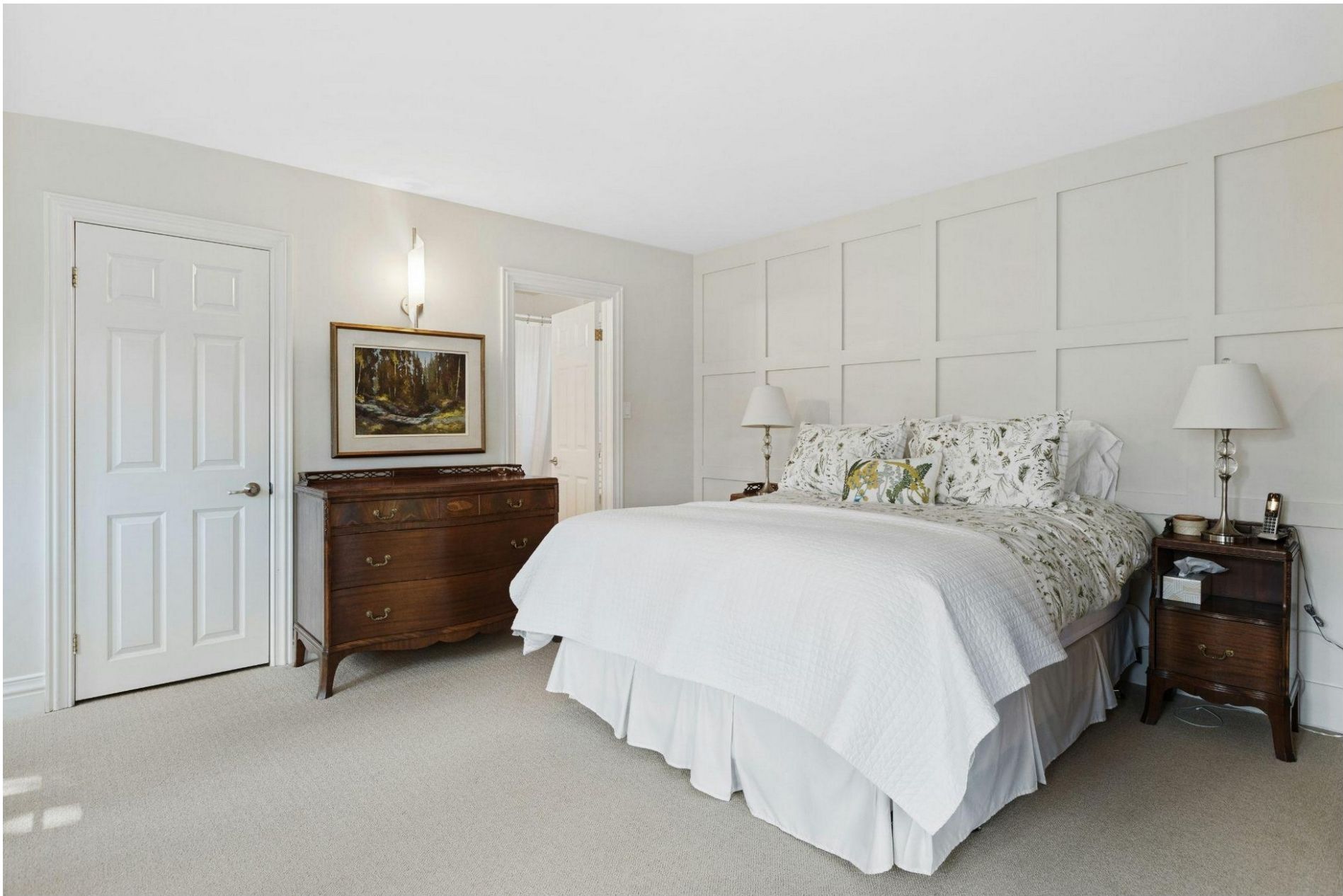
Bedrooms often collect furniture and storage, making them feel especially tight.
To create a more spacious bedroom:
- Use wall-mounted nightstands
- Install sconces instead of table lamps
- Choose bedding in light colors
- Store off-season items under the bed
- Keep decor minimal
A bedroom with fewer visual distractions tends to feel calmer and significantly larger.
Small Living Room Tips for an Open Feel
Living rooms need to balance comfort and functionality, even when space is limited.
Effective strategies include:
- Using one appropriately sized sofa instead of multiple bulky seats
- Selecting a glass or acrylic coffee table
- Hanging artwork at eye level
- Choosing a large area rug to unify the room
- Leaving some empty space rather than filling every corner
Open space is an important design element in itself.
Make Your Small Home Feel Larger with Smart Design
Learning how to make a small home feel larger is about using every square foot more intentionally. Thoughtful layouts, layered lighting, cohesive colors, functional furniture, and clutter-free surfaces can dramatically change the way your home feels.
You do not need a costly renovation to create a more spacious environment. A few strategic updates can make your home feel brighter, more organized, and far more comfortable.
Ready to transform your space? Start with one room this weekend and apply these techniques to see how much larger your home can feel. If you're shopping for a starter home, our affordability calculator can help you find a layout that fits your life.
Frequently Asked Questions
What's the easiest way to make a small home feel larger?
Start with light and layout. Pull furniture a few inches off the walls, clear walking paths, and add a second or third light source to eliminate dark corners. These two changes alone make most rooms feel noticeably more open in under an hour.
What paint colors make a small room look bigger?
Light, cohesive neutrals — whites, soft grays, warm beiges, and pale taupes — reflect the most light and make walls feel farther apart. Painting the ceiling a slightly lighter shade than the walls also draws the eye upward and makes ceilings feel taller.
Where should I put a mirror to make a room feel bigger?
Hang a large mirror directly across from a window so it bounces natural light back into the room and reads like a second opening. One oversized mirror almost always outperforms a gallery of small ones.
How do I arrange furniture in a small living room?
Choose one appropriately sized sofa instead of multiple bulky seats, use a glass or acrylic coffee table to keep sightlines open, and float pieces a few inches off the walls. Anchor everything with one large area rug so the zone reads as a single, intentional space.
Does decluttering really make a home feel larger?
Yes. Clear surfaces and vertical storage instantly reduce visual noise, which is a major driver of how cramped a room feels. Editing belongings every few months keeps the effect from creeping back.
Need help in your homeownership journey? Create an account on Home Approach today and earn rewards every step of the way.
Try these free tools
All toolsHome Approach may pay featured experts for their time creating education. Some also work in real estate or lending. If you choose to work with one, they're paid the normal way through your transaction. Home Approach never receives any part of it.
Step by Step
Start with a Layout That Maximizes Space
The first step in making a small home feel larger is evaluating how your furniture is arranged. In many cases, the room itself is not the problem. The layout is. When furniture blocks pathways or crowds the center of the room, the entire space feels tighter. A more intentional arrangement can instantly create openness.
Keep Walking Paths Clear
Aim for an unobstructed route through each room. When you can move freely, the room naturally feels more spacious.: Leave at least 30 to 36 inches for major walkways, Avoid placing furniture directly in front of doorways, Minimize sharp turns or narrow passageways, Use fewer, better-sized pieces rather than too many small items
Float Furniture Away from Walls
Pushing every piece against the wall may seem like a way to open up the center, but it can actually emphasize the room's limited dimensions. Pulling a sofa or chair a few inches away from the wall adds depth and creates a more balanced look.
Define Functional Zones
In open-concept apartments or studio spaces, use rugs, lighting, and furniture placement to establish distinct areas for living, dining, and working. Clear zones make a small home feel more organized and less chaotic.
Use Light to Make a Small Home Feel Larger
Lighting is one of the most effective tools for creating the illusion of space. Bright rooms feel open and welcoming, while dim corners can make a home feel smaller than it is.
Maximize Natural Light
Natural light visually expands a room and softens boundaries. To let in as much daylight as possible: Choose sheer curtains or light-filtering shades, Hang curtain rods close to the ceiling, Extend curtains beyond the window frame, Keep windows uncluttered. Mounting curtains higher and wider makes windows appear larger and draws the eye upward, increasing the sense of height.
Layer Artificial Lighting
A single overhead fixture often leaves shadows that shrink a room. Layering several light sources creates a more even and expansive effect. Use a combination of: Ceiling fixtures, Floor lamps, Table lamps, Wall sconces, Under-cabinet lighting. Warm white bulbs around 2700K to 3000K tend to create a comfortable and inviting atmosphere.
Brighten Dark Corners
Corners that are poorly lit can make a room feel boxed in. Adding a slim floor lamp or small accent light helps extend the perceived boundaries of the room.
Choose Colors That Open Up a Small Space
Color has a major influence on how large or small a room appears. Lighter tones reflect more light, which can make walls seem farther apart.
Stick to a Light, Cohesive Palette
Whites, soft grays, warm beiges, and pale neutrals are excellent choices when trying to make a small home feel larger. A consistent color palette throughout the home creates visual continuity, allowing one room to flow seamlessly into the next.
Use Contrast Sparingly
Too many abrupt color changes can break up the space. Instead, introduce contrast through textures and subtle accents such as pillows, rugs, and artwork.
Paint Ceilings a Light Color
A bright ceiling draws the eye upward and helps rooms feel taller. In spaces with low ceilings, this simple change can have a dramatic effect.
FAQ
Home Approach Straight To Your Inbox
Get the insights you need to achieve your homeownership goals!