How to Start Composting at Home: A Beginner's Guide
Justin Reynolds
Key Takeaways
Learn how to start composting at home with this beginner-friendly guide. Reduce waste, enrich your soil, and support sustainable outdoor landscaping.
Skip ahead — run the numbers now
When it comes to sustainable outdoor & landscaping, few practices are as simple and impactful as composting.
Whether you live in a house with a big backyard or a small city apartment, composting is a powerful way to reduce waste, enrich your soil, and create a healthier environment — all from your own home.
Composting turns everyday food scraps, yard trimmings, and paper waste into nutrient-rich material that can be used to feed your garden or lawn.
Best of all, it’s easy to get started, requires little space, and can even help lower your trash bill.
If you’re curious about how to begin composting at home, this guide will walk you through everything you need to know.
Why Composting Matters in Outdoor & Landscaping
Composting isn’t just an eco-friendly habit — it’s also a key component of modern outdoor & landscaping design. Here’s why:
-
Reduces landfill waste: Food and yard waste make up more than 30% of what we throw away.
-
Improves soil health: Compost adds vital nutrients and improves soil structure, leading to stronger plants and better water retention.
-
Encourages organic gardening: Composting reduces the need for synthetic fertilizers and pesticides.
-
Lowers your carbon footprint: Composting cuts down methane emissions from landfills and reduces overall waste transportation.
Whether you’re nurturing a veggie patch, maintaining flower beds, or simply caring for your lawn, composting is a smart way to support a greener outdoor lifestyle.
Try it right here — no signup needed
Rent vs Sell: Where You Stand
Educational estimate only -- consult a tax professional for advice on your specific Section 121 exclusion eligibility.
- Monthly cash flow
- -$86
- Annual carry cost
- $1,032
Choosing the Right Composting Method for Your Home
The great thing about composting is its flexibility — there’s a method for every lifestyle, space, and skill level. Here are a few popular home composting options to consider:
1. Backyard Compost Bin
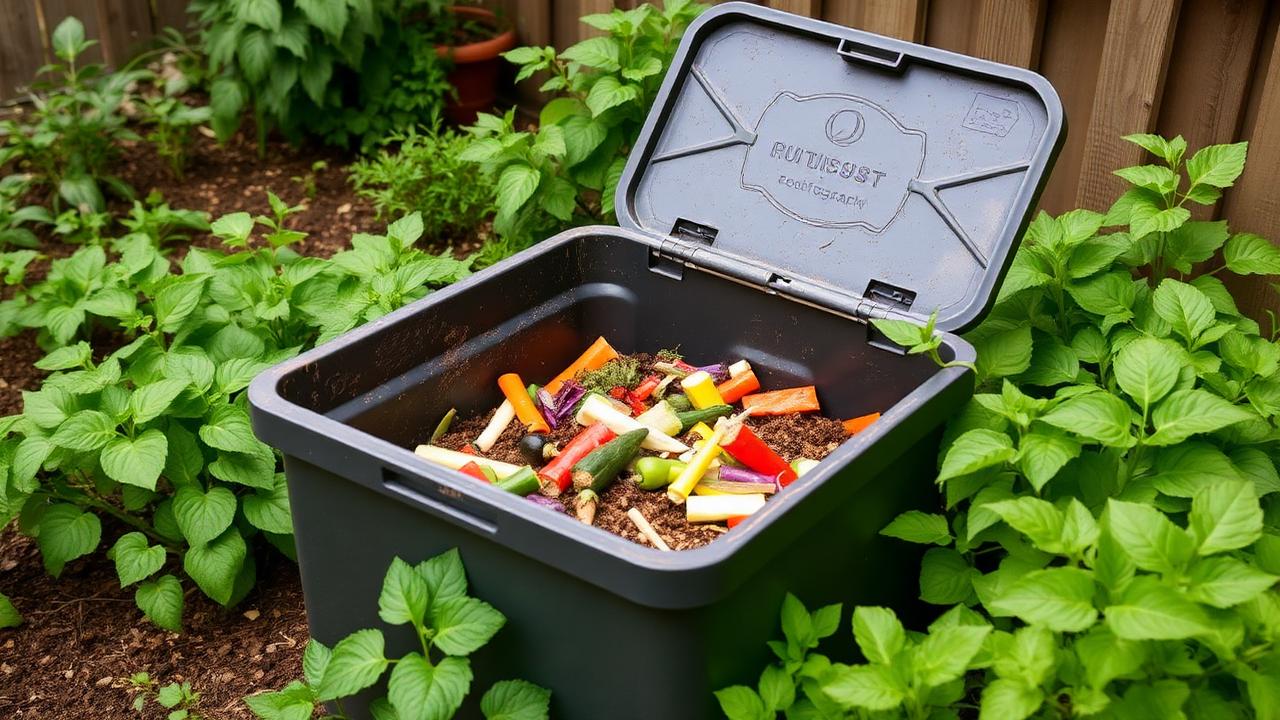
This is the most traditional and cost-effective method. A compost bin or open pile is ideal for homeowners with outdoor space.
-
Use a plastic or wooden bin with a lid to contain compost
-
Place it in a well-drained, sunny spot in your yard
-
Turn the pile weekly to help it break down evenly
2. Tumbler Composters
Perfect for beginners, tumblers are sealed bins mounted on a stand that make mixing compost easy and mess-free.
-
Requires less manual labor than a pile or bin
-
Sealed design helps prevent pests and odors
-
Speeds up decomposition with regular turning
3. Vermicomposting (Worm Bins)
This method uses red worms to break down food scraps quickly. It’s excellent for small spaces, garages, or even under the sink.
-
Great for apartments or renters with limited outdoor access
-
Produces high-quality compost (worm castings)
-
Low odor and minimal upkeep once established
4. Bokashi Composting
Bokashi is a fermentation-based method that uses a special inoculated bran to compost all food waste — even meat and dairy — in a sealed bucket.
-
Works indoors, ideal for kitchens or small spaces
-
Produces a pre-compost material that can be buried or added to a compost pile
-
Quick and odor-controlled process
Choose the method that fits your space, lifestyle, and comfort level — the best compost system is the one you’ll actually use.
What to Compost (and What to Avoid)
Knowing what materials to add — and what to avoid — is essential for healthy compost. A balanced compost pile needs a mix of “greens” and “browns.”
Greens (Nitrogen-rich materials):
-
Fruit and vegetable scraps
-
Coffee grounds and filters
-
Tea bags (non-plastic)
-
Fresh grass clippings
-
Eggshells (crushed)
Browns (Carbon-rich materials):
-
Dried leaves
-
Shredded newspaper or cardboard
-
Sawdust (from untreated wood)
-
Paper towels and napkins (unbleached)
-
Straw or hay
What NOT to compost:
-
Meat, dairy, and oily foods (unless using Bokashi)
-
Pet waste (can carry harmful bacteria)
-
Diseased plants or invasive weeds
-
Glossy or colored paper and plastics
-
Charcoal ash or chemically treated wood
A good rule of thumb is to aim for a 2:1 ratio of browns to greens to help your pile stay aerated, odor-free, and active.
How to Maintain Your Compost Pile
Composting isn’t complicated, but it does require a little attention to keep things moving. Follow these tips to maintain a healthy, productive compost pile.
1. Turn the Pile Regularly
Aerating your compost by turning it every week or two helps introduce oxygen and speed up decomposition. Tumblers make this process easier, but even a garden fork will do the trick.
2. Keep It Moist — Not Wet
Your compost should feel like a wrung-out sponge. Add water if it’s too dry, or mix in dry browns if it’s too wet or smelly.
3. Chop Materials When Possible
Smaller pieces break down faster, so chop large veggie scraps, tear paper, and break sticks before adding them to your pile.
4. Watch for Pests
Keep meat, dairy, and oils out of your compost to avoid attracting pests. Use a sealed bin or cover your pile with brown materials to minimize smells and critters.
5. Be Patient
Compost can take anywhere from 2 months to 1 year to fully mature, depending on conditions and materials. Finished compost is dark, crumbly, and earthy-smelling — perfect for your outdoor & landscaping needs.
How to Use Finished Compost in Your Landscape
Once your compost is ready, it’s time to put it to work. Here’s how to use compost to enhance your yard, garden, or patio:
-
Topdress your lawn: Spread a thin layer over grass to improve health and color
-
Mix into garden beds: Blend compost with soil to nourish flowers, veggies, or herbs
-
Use in containers: Add compost to potting soil for container plants or hanging baskets
-
Mulch trees and shrubs: Apply around the base to retain moisture and suppress weeds
-
Enrich poor soil: Compost improves drainage, structure, and fertility in clay or sandy soils
Using your homemade compost is the final — and most satisfying — step in your eco-friendly outdoor & landscaping routine.
Composting Tips for Renters and Small Spaces
Don’t have a yard? No problem! Composting is still possible with a little creativity and the right tools. Here’s how to make it work in small spaces:
-
Try a worm bin: Vermicomposting works great indoors with minimal odor
-
Use a countertop compost container: Collect scraps until you can drop them at a community compost center
-
Look for city programs: Many municipalities now offer curbside compost collection
-
Join a compost co-op: Some neighborhoods or buildings share bins and responsibilities
Even small contributions make a big difference when it comes to reducing waste and supporting sustainable living.
Start Composting and Enrich Your Outdoor Lifestyle
Composting is one of the simplest and most rewarding ways to support a healthy planet and a thriving garden.
Whether you’re a seasoned gardener or a complete beginner, adding a compost pile to your property is a no-brainer.
Once you’ve crossed compositing off your to-do list, it’s time to start creating beautiful outdoor spaces.
Try these free tools
All toolsHome Approach may pay featured experts for their time creating education. Some also work in real estate or lending. If you choose to work with one, they're paid the normal way through your transaction. Home Approach never receives any part of it.
Step by Step
Why Composting Matters in Outdoor & Landscaping
Composting isn’t just an eco-friendly habit — it’s also a key component of modern outdoor & landscaping design. Here’s why: Reduces landfill waste: Food and yard waste make up more than 30% of what we throw away., Improves soil health: Compost adds vital nutrients and improves soil structure, leading to stronger plants and better water retention., Encourages organic gardening: Composting reduces…
Choosing the Right Composting Method for Your Home
The great thing about composting is its flexibility — there’s a method for every lifestyle, space, and skill level. Here are a few popular home composting options to consider:
1. Backyard Compost Bin
This is the most traditional and cost-effective method. A compost bin or open pile is ideal for homeowners with outdoor space.: Use a plastic or wooden bin with a lid to contain compost, Place it in a well-drained, sunny spot in your yard, Turn the pile weekly to help it break down evenly
2. Tumbler Composters
Perfect for beginners, tumblers are sealed bins mounted on a stand that make mixing compost easy and mess-free.: Requires less manual labor than a pile or bin, Sealed design helps prevent pests and odors, Speeds up decomposition with regular turning
3. Vermicomposting (Worm Bins)
This method uses red worms to break down food scraps quickly. It’s excellent for small spaces, garages, or even under the sink.: Great for apartments or renters with limited outdoor access, Produces high-quality compost (worm castings), Low odor and minimal upkeep once established
4. Bokashi Composting
Bokashi is a fermentation-based method that uses a special inoculated bran to compost all food waste — even meat and dairy — in a sealed bucket.: Works indoors, ideal for kitchens or small spaces, Produces a pre-compost material that can be buried or added to a compost pile, Quick and odor-controlled process. Choose the method that fits your space, lifestyle, and comfort level — the best compost…
What to Compost (and What to Avoid)
Knowing what materials to add — and what to avoid — is essential for healthy compost. A balanced compost pile needs a mix of “greens” and “browns.”
Greens (Nitrogen-rich materials):
Fruit and vegetable scraps, Coffee grounds and filters, Tea bags (non-plastic), Fresh grass clippings, Eggshells (crushed)
Browns (Carbon-rich materials):
Dried leaves, Shredded newspaper or cardboard, Sawdust (from untreated wood), Paper towels and napkins (unbleached), Straw or hay
What NOT to compost:
Meat, dairy, and oily foods (unless using Bokashi), Pet waste (can carry harmful bacteria), Diseased plants or invasive weeds, Glossy or colored paper and plastics, Charcoal ash or chemically treated wood. A good rule of thumb is to aim for a 2:1 ratio of browns to greens to help your pile stay aerated, odor-free, and active.
How to Maintain Your Compost Pile
Composting isn’t complicated, but it does require a little attention to keep things moving. Follow these tips to maintain a healthy, productive compost pile.
1. Turn the Pile Regularly
Aerating your compost by turning it every week or two helps introduce oxygen and speed up decomposition. Tumblers make this process easier, but even a garden fork will do the trick.
Home Approach Straight To Your Inbox
Get the insights you need to achieve your homeownership goals!