Should You Buy a Fixer-Upper or a Move-In Ready Home?
Justin Reynolds
Key Takeaways
One of the biggest homeownership decisions buyers face is whether to purchase a fixer-upper or a move-in ready home.
Skip ahead — run the numbers now
One of the biggest homeownership decisions buyers face is whether to purchase a fixer-upper or a move-in ready home.
Both options have unique advantages and potential pitfalls, and the right choice depends on your lifestyle, budget, and long-term goals.
Buyers love the idea of transforming a dated property into their dream home, while others prefer the convenience of unpacking and settling in right away.
To help you make an informed choice, let's explore the pros, cons, and key factors that should influence your decision.
Understanding the Difference: Fixer-Upper vs. Move-In Ready
Before diving into the details, it's important to define what each option really means:
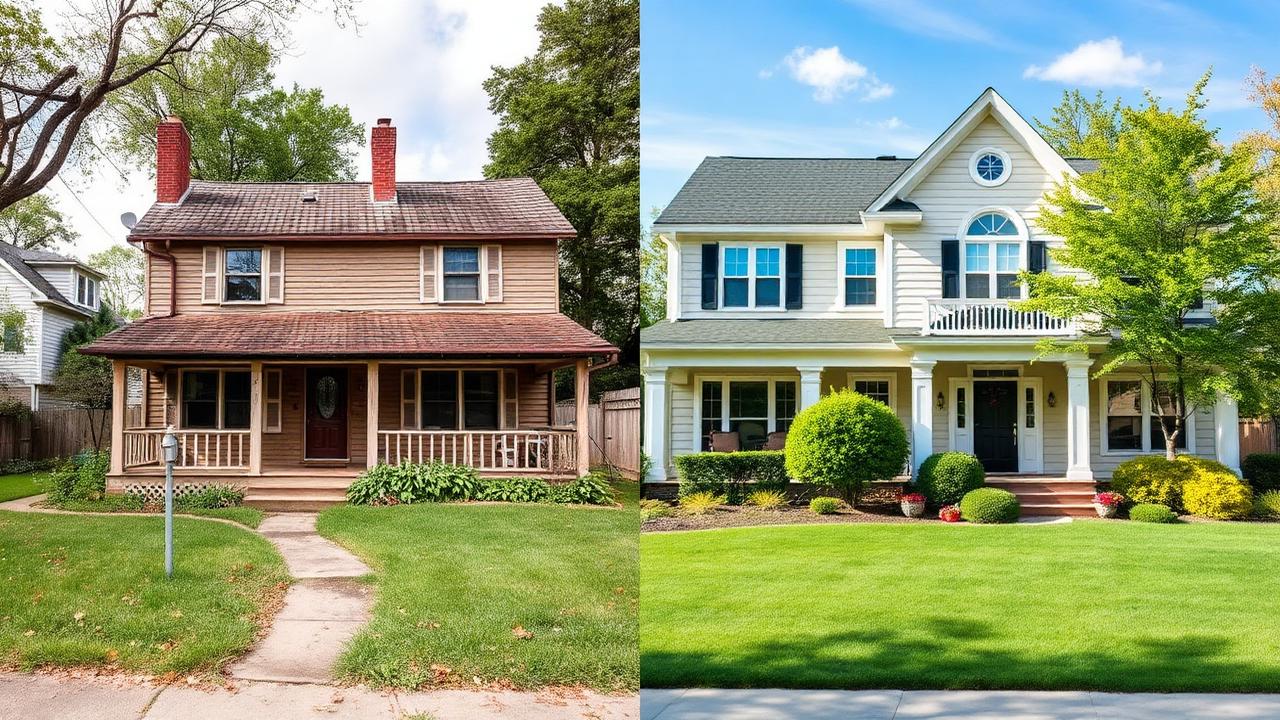
- Fixer-upper: A home that needs repairs, upgrades, or cosmetic work—sometimes major structural renovations. It's often sold at a lower price but requires time, effort, and additional investment.
- Move-in ready home: A property that's in good condition, up to modern standards, and requires little to no immediate work before you can comfortably live in it.
Each comes with trade-offs in terms of cost, effort, and potential return on investment, making this one of the most significant homeownership decisions you'll make during your buying journey.
Try it right here — no signup needed
Refinance Break-Even Calculator
Educational estimate only. Your loan officer's Loan Estimate has the real numbers.
The Pros of Buying a Fixer-Upper
Buying a fixer-upper can be a rewarding experience for those who have the vision and patience to see potential where others might not. Here are the main advantages:
1. Lower Purchase Price
Fixer-uppers are typically priced below market value because they need work. This means you might afford a larger home or a better neighborhood than you could with a move-in ready property.
The lower upfront cost can also reduce your mortgage payments or allow more flexibility in your budget.
2. Potential for Equity Growth
If you make smart renovation choices, the property's value can increase significantly. Updating kitchens, bathrooms, or flooring can deliver a strong return on investment, especially if you buy in a desirable area.
Over time, you may build substantial home equity faster than if you had bought a turnkey home.
3. Customization Opportunities
Buying a fixer-upper gives you creative control. From paint colors to floor plans, you can shape the home to fit your exact taste and needs.
This level of personalization is often harder to achieve in move-in ready homes, which may come with pre-set designs or modern finishes that don't reflect your style.
4. Less Competition
Many buyers prefer move-in ready homes, meaning fixer-uppers often have fewer offers and less bidding pressure. This can work to your advantage, especially in a competitive housing market where turnkey properties go fast.
The Cons of Buying a Fixer-Upper
While the appeal of a low price and creative freedom is strong, buying a fixer-upper isn't without challenges. Here's what to consider before you commit:
1. Unexpected Costs
Renovation budgets can easily spiral out of control. Once you start tearing down walls or replacing plumbing, hidden problems—like mold, outdated wiring, or foundation issues—can quickly add thousands to your total costs.
2. Time-Consuming Repairs
Renovating takes time. Projects often take longer than expected, especially if you're managing them yourself or waiting on contractors. This can delay your move-in date and cause disruptions to your daily life.
3. High Stress Levels
Managing repairs, budgets, and contractors can be stressful. Living in a construction zone adds to that stress, particularly if you're juggling work, family, or other commitments.
4. Financing Challenges
Some lenders hesitate to finance homes in poor condition. You may need a specialized renovation loan—such as an FHA 203(k)—which can involve more paperwork and higher interest rates.
The Pros of Buying a Move-In Ready Home
For many buyers, especially first-timers or busy professionals, the simplicity of a move-in ready home outweighs the potential savings of a fixer-upper. Here's why:
1. Immediate Comfort and Convenience
The biggest advantage is obvious: you can move in right away. There's no waiting for contractors, no renovation dust, and no surprise costs lurking behind the walls.
2. Predictable Costs
While the purchase price might be higher, you'll have a clearer idea of your total costs upfront. You won't need to worry about budgeting for major repairs in the first few years.
3. Easier Financing
Lenders view move-in ready homes as lower risk, so mortgage approval is typically simpler. You can also lock in favorable rates and avoid the complexity of renovation loans.
4. Modern Features and Efficiency
Most move-in ready homes feature updated layouts, energy-efficient systems, and modern amenities. These can translate into lower utility bills and fewer maintenance headaches.
Key Homeownership Decisions: How to Choose What's Right for You
Deciding between a fixer-upper and a move-in ready home depends on more than just budget. It's about your personality, lifestyle, and long-term plans.
1. Your Budget and Financial Flexibility
- If you have limited upfront funds but can handle ongoing renovation costs, a fixer-upper might make sense.
- If you prefer predictable expenses and fewer financial surprises, a move-in ready home may be the safer option.
2. Your Timeline
- Need to move quickly? A turnkey home allows immediate occupancy.
- Can you wait months for renovations? Then a fixer-upper could be a worthwhile project.
3. Your Skill Set and Tolerance for Stress
- If you enjoy DIY projects and don't mind a bit of chaos, renovating can be rewarding.
- If you value peace, convenience, and free weekends, a ready-to-live home is a better fit.
4. Long-Term Goals
- If you're planning to stay for many years, customization through renovation might be worth the effort.
- If you anticipate selling or relocating soon, a move-in ready home offers quicker resale potential.
5. The Local Real Estate Market
In some areas, fixer-uppers offer exceptional value because neighborhoods are on the rise. In others, renovation costs might outpace the home's potential resale price.
Tips for Making the Best Choice
- Get a professional inspection: Whether you're buying a fixer-upper or a move-in ready home, a thorough home inspection can reveal hidden issues.
- Estimate renovation costs accurately: Talk to contractors before making an offer.
- Consider your financing options: Explore renovation loans, grants, or incentives for energy-efficient upgrades.
- Plan for contingencies: Always have a financial cushion for unexpected repairs or delays.
Making Smart Homeownership Decisions
Choosing between a fixer-upper and a move-in ready home is one of the most personal and impactful homeownership decisions you'll make.
There's no one-size-fits-all answer—the best choice depends on your financial situation, goals, and comfort level with risk and renovation.
If you're drawn to creativity, long-term equity growth, and hands-on projects, a fixer-upper might be your ideal investment. But if convenience, stability, and move-in simplicity appeal more to your lifestyle, a turnkey home offers peace of mind and instant satisfaction.
Try these free tools
All toolsHome Approach may pay featured experts for their time creating education. Some also work in real estate or lending. If you choose to work with one, they're paid the normal way through your transaction. Home Approach never receives any part of it.
Home Approach Straight To Your Inbox
Get the insights you need to achieve your homeownership goals!