Budgeting DIY Renovation: Hidden Costs & Tracker
Justin Reynolds
Key Takeaways
- Add a waste factor of 15% when estimating materials
- Include a 20% contingency for unforeseen expenses
- Factor in tool rental or purchase costs and safety gear
Skip ahead — run the numbers now
Building a budget for your DIY renovation project can be an intimidating task. However, with our guide, you'll learn how to accurately estimate costs and plan for hidden expenses. Follow along to create a budget that ensures your project stays within your financial means.
Try it right here — no signup needed
DIY Renovation Budget Calculator
Educational estimate only -- actual costs vary by project, location, and material prices.
- Waste factor applied
- 10%
- Materials cost + waste
- $396
- 20% DIY contingency
- $179
- Estimated total budget
- $1,075
Waste Factor
When calculating the amount of materials needed, always add a waste factor of 15%. This accounts for mistakes and material waste during installation.
20% Contingency
Add a 20% contingency to your budget for unforeseen expenses. It's better to have extra money set aside than to run out before the project is complete.
Tools
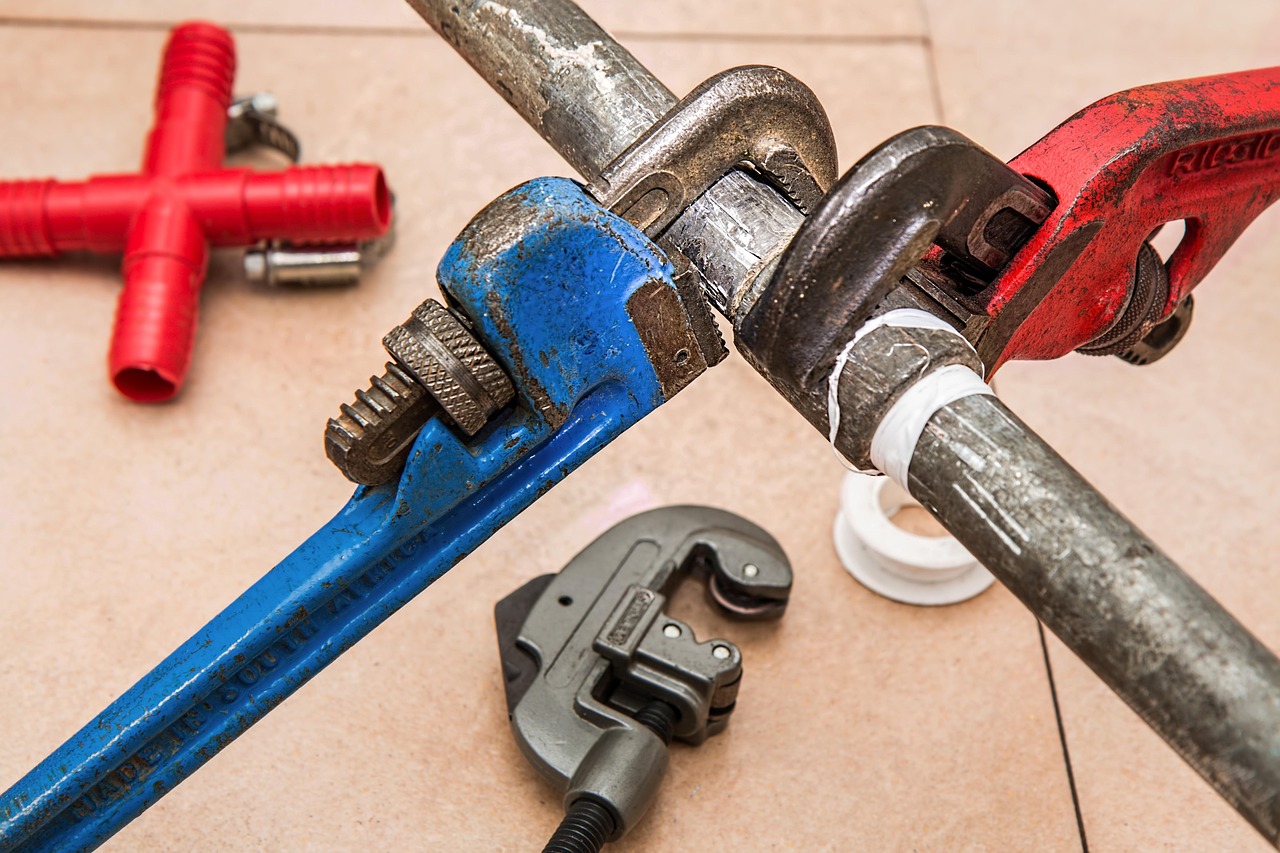
Include tool rental or purchase costs in your budget. Consider both the cost of the tools and safety gear such as gloves, goggles, and masks.
Disposal
Factor in disposal fees for waste materials like old drywall, tiles, and flooring. Renting a dumpster or paying per trip to the landfill can add up quickly.
Soft Costs
Don't forget about soft costs, which include permits, utility spikes, delivery fees, and meals during the renovation process.
Tracking
Use the calculator below to build your budget, then track your actual spending against it as you go -- categorize expenses, note variances from your estimates, and adjust as the project progresses.
Try it right here — no signup needed
Downloadable Budget Tracker
Fill in estimated and actual costs per category, then download your tracker as a CSV.
| Item | Estimated Cost | Actual Cost | Variance | Notes |
|---|---|---|---|---|
| Primary material (tile, flooring, drywall, paint) | ||||
| Waste allowance | ||||
| Trim / fasteners / adhesive |
Hidden Cost Checklist
- Safety gear (gloves, goggles, masks)
- Drill bits
- Tape
- Drop cloths
- Delivery fees
- Dumpster or dump fees
- Permit fees
- Extra food costs
When to Reduce Scope or Hire a Pro
| Trigger | Why It Matters | Recommendation |
|---|---|---|
| Structural work (load-bearing walls, foundation) | Mistakes can compromise the entire home's safety and are expensive to reverse. | Hire a licensed structural contractor -- do not DIY. |
| Electrical (panel work, new circuits, rewiring) | Code violations create fire risk and can fail inspection or void insurance. | Hire a licensed electrician for anything beyond fixture swaps. |
| Plumbing (relocating lines, sewer work) | Leaks and improper venting cause water damage and mold long after the project ends. | Hire a licensed plumber for anything beyond fixture swaps. |
| Permit-required work | Unpermitted work can complicate a future sale and may need to be redone to pass inspection. | Confirm permit requirements before starting; hire a pro if the permit requires a licensed installer. |
| Budget already exceeding your 20% contingency | Going over contingency signals the project's true cost was underestimated. | Reduce scope (fewer rooms, simpler finishes) rather than absorbing more unplanned cost. |
How much should I set aside for a contingency percentage when budgeting for DIY renovation?
Answer: A common recommendation is to allocate around 10-20% of your total budget as a contingency fund to account for unexpected expenses.
Is it more cost-effective to rent tools or buy them during a DIY renovation?
Answer: The decision to rent or buy tools depends on the frequency and duration of use. For occasional use, tool rental may be more economical, while for frequent projects, buying might prove more cost-effective in the long run.
What should I expect for delivery fees when purchasing materials for a DIY renovation?
Answer: Delivery fees can vary significantly based on the quantity of items, location, and delivery service provider. It's essential to check individual retailer policies or get quotes from multiple providers to estimate delivery costs accurately.
What are some common methods for disposing of waste during a DIY renovation?
Answer: Common waste disposal methods include hiring a dumpster, using a roll-off container, arranging curbside pickup, or taking materials to local recycling centers or landfills. Always verify the regulations and associated fees in your area before disposing of any waste.
How much should I budget for safety gear during a DIY renovation?
Answer: Safety gear is essential to protect yourself from injury during renovations. The cost can vary depending on the type and quantity of equipment required, but expect to budget around $100 to $200 for basic safety gear.
How important is measurement accuracy when planning a DIY renovation?
Answer: Measurement accuracy is crucial in achieving an accurate budget estimate. Double-checking your measurements can help you avoid costly mistakes and ensure that the materials you purchase fit within your space.
What are some common soft costs associated with DIY home improvements?
Answer: Soft costs include permits, temporary utility spikes from running extra equipment, delivery fees for materials, and meals during the renovation. These add up quickly and are easy to forget when budgeting only for materials and tools.
Can I get accurate estimates for utility costs during a renovation?
Answer: Utility costs during a renovation are hard to predict exactly, since they depend on the tools and equipment you're running and how long the project takes. Budgeting a modest buffer for a temporary increase in your electric or water bill is safer than assuming no change.
Try these free tools
All toolsChecklist
FAQ
Home Approach Straight To Your Inbox
Get the insights you need to achieve your homeownership goals!