
10 Unexpected Home Problems First-Time Homeowners Should Know About
Justin Reynolds
Key Takeaways
- Hidden water damage, outdated electrical systems, and aging HVAC/plumbing are the costliest surprises new homeowners face, often costing thousands to repair.
- Hire licensed inspectors for general inspection, electrical systems, and roof conditions before closing to catch hidden problems sellers won't disclose.
- Budget 1-2% of your home's purchase price annually for maintenance and use the inspection period to negotiate repairs or credits with the seller.
Skip ahead — run the numbers now
Buying your first home is like finally getting the keys to the kingdom—except the kingdom has a roof that leaks, plumbing that hates you, and a surprise electrical system from 1987.
Nobody warns you about half the stuff that goes wrong, and by the time you discover it, you're already emotionally and financially invested.
1. Hidden Water Damage and Mold
Water damage is one of those sneaky problems that doesn't announce itself. It hides behind walls, under floors, and in attics like an unwelcome houseguest who refuses to leave.
By the time you spot visible mold or water stains, the damage is usually way worse than it looks. Mold grows in damp, dark spaces and can cause serious health issues, especially for kids and people with allergies.
And here's the kicker: your home inspector might have missed it entirely if the damage was hidden behind walls or in crawl spaces.
The real problem is that water damage compounds over time. A small leak from a roof becomes structural rot. A crack in the foundation becomes a flooded basement.
Insurance typically won't cover water damage from poor maintenance, so you're footing the repair bill yourself—and those bills get expensive fast. Preventative care is your best friend here.
Key points about water damage:
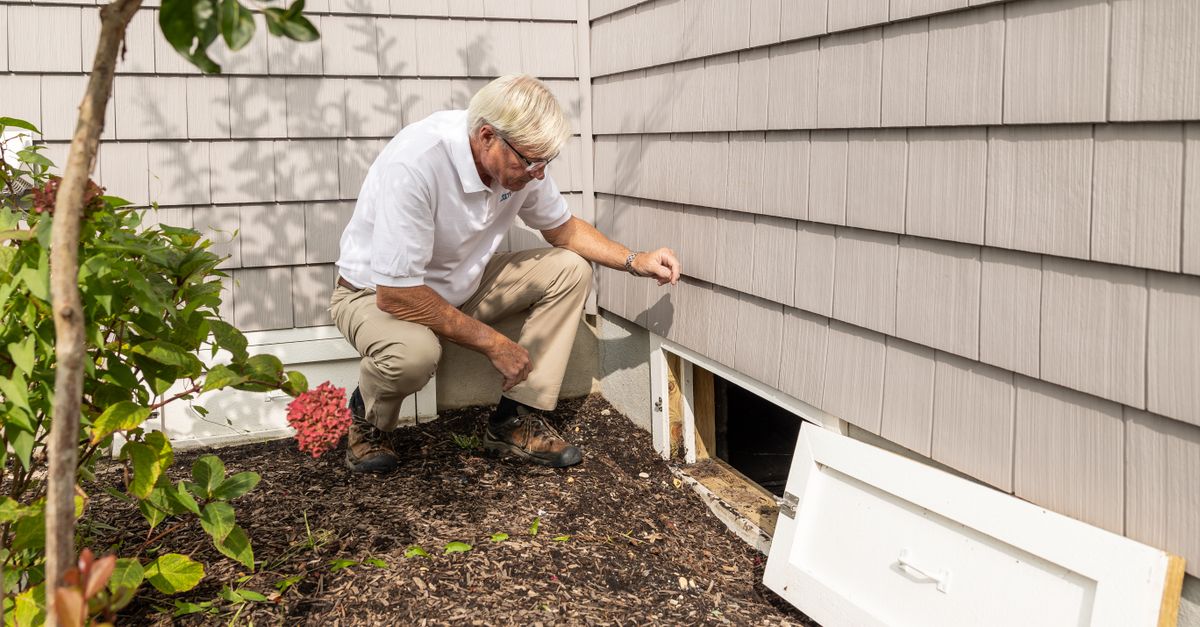
- Inspect basements and crawl spaces for standing water or musty smells
- Check under sinks and around toilets for soft spots in flooring
- Look for water stains on ceilings and upper-floor walls
- Have a professional mold inspection if you suspect any growth
- Get the roof inspected annually, especially after heavy storms
- Consider a sump pump if you're in a wet climate
Try it right here — no signup needed
Home Maintenance Reserve Calculator
Educational estimate only -- adjust replacement cost and remaining life for your own home's systems.
2. Outdated Electrical Systems
That charming 1970s house with the "vintage vibes"? It probably has an electrical system that was cutting-edge when people cared about John Travolta.
Old wiring can't handle modern power demands. You've got a dishwasher, three phone chargers, a space heater, and a microwave all running at once? Welcome to a tripped breaker—or worse, a fire hazard.
Many older homes still have knob-and-tube wiring or aluminum wiring, both of which are problems. Knob-and-tube wiring lacks proper insulation and grounding, while aluminum wiring oxidizes and creates dangerous connections. You might also find that you have fewer outlets and circuits than you need, leading to overloaded circuits and extension cord dependency. Not to mention, some insurance companies won't even cover homes with certain outdated electrical systems.
Common electrical issues first-time buyers encounter:
- Insufficient outlet capacity for modern appliances
- Outdated breaker panels that need upgrading
- Knob-and-tube or aluminum wiring
- Missing ground wires in older circuits
- Overloaded circuits causing frequent breaker trips
- Improper grounding in bathrooms and kitchens
How to Protect Yourself from Home Surprises
1. Hire a licensed home inspector before closing. This isn't where you cheap out—get someone experienced who will spend 3-4 hours going through every system. A good inspector catches issues an untrained eye misses.
2. Request a separate electrical inspection. Have a licensed electrician review the panel, wiring, and overall system safety, especially in older homes. They'll identify code violations and safety hazards that a general inspector might overlook.
3. Get a professional roof inspection. Climb up there (or have someone do it) and check for missing shingles, flashing issues, and interior water stains. A roof replacement can cost $10,000+, so catch problems early.
4. Test all systems before signing. Walk through with the owner and test every faucet, light switch, outlet, and appliance. Ask for documentation of recent repairs or replacements. These reveal problem areas.
5. Walk the property after rain or during moisture-heavy seasons. This isn't possible for every closing, but if you can, revisit the property during damp weather to spot potential drainage or water issues that dry weather wouldn't reveal.

3. HVAC Systems That Decide When They Want to Work
Your heating, ventilation, and air conditioning system is expensive, complicated, and will absolutely fail right when you need it most—usually during the coldest winter night or the hottest summer day.
HVAC systems last 15-20 years on average, but older ones can fail suddenly with no warning signs. And replacing one? You're looking at $5,000 to $15,000 depending on your home's size and the system you choose.
Clogged filters reduce efficiency, leaking refrigerant means no cooling, and a failed compressor means the whole system is done. Many buyers inherit neglected HVAC systems with no maintenance history, so they don't know if the system is on borrowed time.
4. Plumbing Nightmares and Pipe Issues
Old pipes have old problems. Cast iron and galvanized steel pipes corrode over time, leading to leaks, reduced water pressure, and potentially contaminated water. Polybutylene pipes, installed in the 1980s and 90s, are notorious for failing and cracking inside walls where you can't see them until water starts leaking into your drywall.
Tree roots infiltrate sewer lines, creating blockages and backups. Toilets that run constantly are actually wasting water and money. Burst pipes under a slab foundation can cost thousands to repair.
The plumbing system is one of those things that works great until it doesn't. And when it doesn't, your entire weekend (your entire life, really) gets derailed.
5. Pest Infestations and Structural Damage
Termites, carpenter ants, carpenter bees, and rodents don't just show up on their own—they move in because your house is offering free room and board.
By the time you spot an infestation, it may have been going on for months or years. Termites alone cause billions in property damage annually in the U.S., and they work quietly, chewing through wooden support structures in ways you won't notice until the damage is severe.
Pest damage compromises structural integrity. A beam that's been hollowed out by termites looks fine from the outside but can't support weight properly. Professional pest inspections aren't included in standard home inspections, so you need to request one separately if you suspect any issues.
6. Roof and Attic Problems
Roofing materials have a lifespan, and when yours is near the end, repairs get expensive. Asphalt shingles typically last 15-20 years before they start curling, cracking, and losing granules.
Improper attic ventilation traps moisture and heat, leading to mold, rot, and reduced insulation effectiveness. Missing soffit vents, blocked gutters, or damaged flashing all contribute to water infiltration and structural damage.
Attics also hide issues: poor insulation that's been settling for decades, wiring that's deteriorated, and pest nests.
If your home doesn't have proper attic ventilation, you're paying higher energy bills and setting yourself up for moisture problems.
7. Foundation Cracks and Settlement Issues
Small cracks in a concrete foundation are normal and usually not a big deal.
Large cracks, horizontal cracks, or cracks that are growing? That's a different story.
Foundation issues are expensive because fixing them often requires specialized equipment and professional contractors. Settling is natural, but excessive settling or uneven settling indicates soil problems, poor drainage, or structural stress.
Basement walls that bow inward or show signs of water seepage suggest foundation pressure issues. Cracks that let water in during heavy rain means your basement will flood until someone addresses the root cause.
Before you buy, have a structural engineer inspect any visible foundation concerns.
8. Inadequate Insulation and Energy Inefficiency
Older homes often have little to no insulation in walls and attics. This feels fine until your first winter heating bill arrives and you nearly faint.
Poor insulation means your HVAC system works overtime, your energy bills spike, and your home is uncomfortable. Attic insulation can settle and compress over decades, reducing its effectiveness.
You might also have air leaks around windows, doors, and in the basement, which creates drafts and reduces efficiency. Upgrading insulation is an investment that pays for itself through lower energy costs, but it's not something you can ignore if you want to live comfortably and affordably.
9. Outdated or Non-Functional Major Appliances
That refrigerator, stove, and dishwasher? They might be on their last legs.
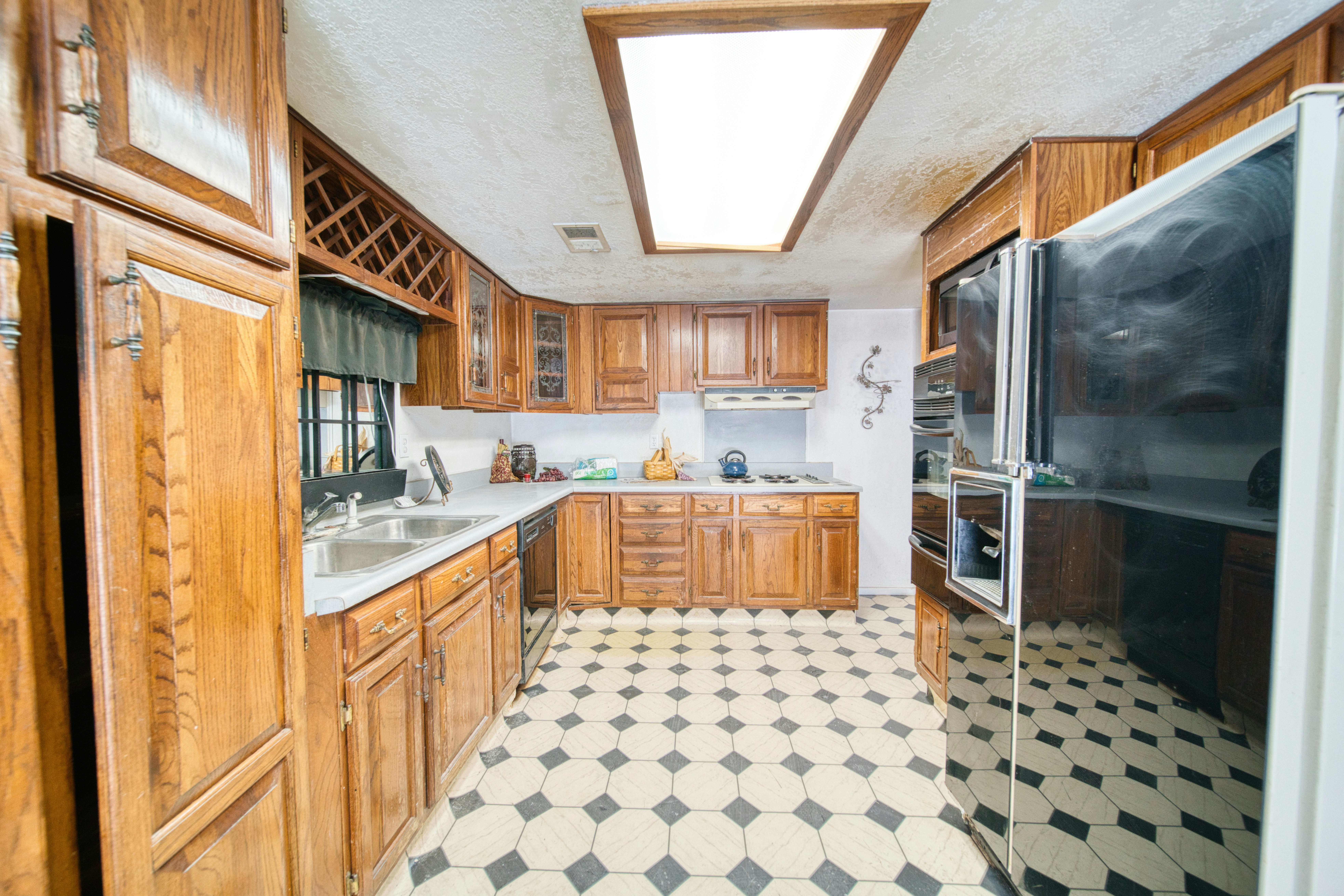
Appliances typically last 10-15 years, and if the home inspection report doesn't specifically confirm they're in good working order, assume they're not. Sellers often don't disclose appliance age or problems, and you might discover on day three of ownership that the dishwasher floods or the oven doesn't heat evenly.
Many homeowners don't realize that HVAC and appliance failures aren't always covered by homeowner's insurance. You're responsible for repairs or replacements, which can run hundreds to thousands of dollars.
10. Poor Drainage and Grading Issues
The land around your home should slope away from the foundation, channeling water toward the street or storm drains. If grading is poor or has shifted over time, water pools near your foundation and seeps into the basement. Gutters that dump water directly next to the house instead of using downspout extensions create the same problem.
Landscaping changes over decades—ground settling, soil compaction, and erosion all affect drainage. If water collects near the foundation, you're practically inviting basement moisture problems.
Frequently Asked Questions
What's the most common surprise in older homes?
Water damage and moisture problems are the heavy hitters. They're silent, they're expensive, and they get worse if ignored. Most older homes have some level of water intrusion or potential for it.
How much should I budget for unexpected repairs in the first year?
Most experts recommend setting aside 1-2% of your home's purchase price annually for maintenance and repairs. For a $300,000 home, that's $3,000-$6,000 per year to cover the inevitable surprises.
Can I negotiate with the seller over discovered problems?
Absolutely. That's what the inspection period is for. You can ask the seller to fix issues, provide credits for repairs, or renegotiate the price. Many problems found during inspection become negotiation points.
Should I buy a home warranty?
Home warranties cover certain appliances and systems for a set period, but they're limited in coverage and deductibles apply. They're not a replacement for proper inspections, but they do provide some peace of mind for major appliance failures.
What's a red flag I can spot myself before hiring an inspector?
Water stains on ceilings or walls, musty smells, cracks in foundations, and visible roof damage are all warning signs.
Trust your gut. If something looks off, it probably is.
Next Steps for First-Time Buyers
Don't let these surprises scare you away from homeownership. Just go in with your eyes open.
Get proper inspections before closing, ask detailed questions about the home's history, and budget for repairs and maintenance. The sellers might not volunteer information about that time the roof leaked or the time they had a pest problem, but the evidence is usually there if you know where to look.
Your best defense is a thorough inspection by licensed professionals who specialize in what they're checking. Spend the money upfront for detailed inspections, and you'll avoid the much larger expenses that come from buying a money pit blindfolded.
Home Approach is here to help you navigate every step of the buying process. Don't hesitate to reach out with questions as you move forward.
Try these free tools
All toolsFAQ
Home Approach Straight To Your Inbox
Get the insights you need to achieve your homeownership goals!