Septic vs. Sewer: What Homeowners Need to Know
Justin Reynolds
Key Takeaways
Understanding wastewater management is crucial when buying a home.
Skip ahead — run the numbers now
If you're like most people, you probably don't spend much time thinking about wastewater.
But when you're buying a new home, it's a good idea to understand the essential role that wastewater management plays in maintaining a healthy, sustainable, and efficient living space. In fact, wastewater management is one of the most important considerations you need to make during the homebuying process.
That's because homes quietly churn out substantial amounts of wastewater every day. Believe it or not, the average household in the United States produces around 138 gallons of wastewater each day from places like the tap, shower, washing machine, toilet, and dishwasher.
But where does it all go? There are two primary methods: septic and sewer systems. Let's explore how they work, their main differences, and their financial impact.
What is a septic system?
A septic system is a decentralized method of treating and removing wastewater independently on the property without connecting to a municipal sewer.
According to the EPA, more than one in five households in the U.S. depend on individual septic systems for wastewater treatment. They're common in suburban and rural areas.
How does a septic system work?
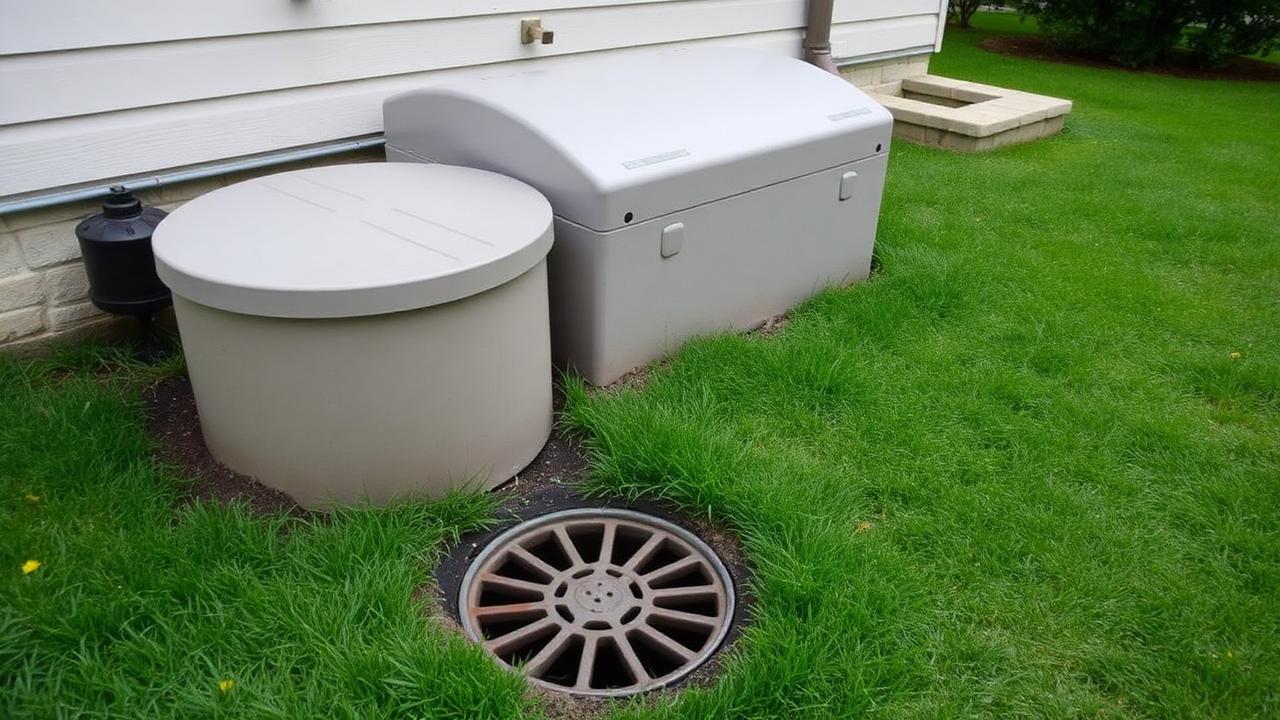
Septic systems funnel household waste into a single underground tank. Solid waste sinks to the bottom as sludge, lighter materials float as scum, and the partially treated liquid exits through an outlet pipe into a drain field for natural filtration back into the soil.
The pros and cons of using a septic system
Pros:
- No monthly sewer fees, leading to potential savings
- More environmentally friendly—uses natural biological processes
- Greater homeowner control over maintenance
- Effective in rural areas without municipal infrastructure
Cons:
- Installation costs can range from $10,000 to $25,000
- Prone to failure without proper maintenance
- Risk of groundwater contamination if poorly maintained
- Can negatively impact property value if outdated
Try it right here — no signup needed
Home Maintenance Reserve Calculator
Educational estimate only -- adjust replacement cost and remaining life for your own home's systems.
What is a sewer system?
A sewer system is a network of pipes and infrastructure for collecting, moving, and treating wastewater at a dedicated treatment facility. Unlike septic, all processing happens off-property.
How does a sewer system work?
All wastewater flows through pipes into a main drain pipe, which connects to the municipal sewer line. Water enters the treatment plant for physical, biological, and chemical cleansing before returning to the environment.
The pros and cons of using a public sewer
Pros:
- Convenient and reliable—no tank pumping or on-site maintenance
- May increase property value
- No on-site wastewater storage or odors
- Municipality handles regulatory compliance
Cons:
- Monthly sewer fees (average $66.80/month)
- Homeowners still maintain the sewer lateral
- Dependent on municipal infrastructure
- Vulnerable to external disruptions
Septic tanks vs. city sewer: Maintenance costs
As a homeowner, you'll pay for wastewater maintenance either way. Here's how costs differ:
Septic tank maintenance costs
- Pumping: Required routinely to remove waste. Frequency depends on tank size, water usage, and household size.
- Inspections: Most homeowners inspect every 1–3 years.
- Repairs: Routine maintenance prevents costly repairs from clogs and damage.
Sewer system maintenance costs
- Monthly fees: Average $66.80/month, varying by location and usage.
- Connection fees: Required if your property isn't already connected.
- Sewer lateral maintenance: Homeowners are responsible for the pipe connecting their property to the main line.
Making the Right Choice
Both septic and sewer systems have pros and cons, making it important to consider your specific needs, budget, and property location. Understanding these differences will help you make a more informed homebuying decision.
Try these free tools
All toolsHome Approach may pay featured experts for their time creating education. Some also work in real estate or lending. If you choose to work with one, they're paid the normal way through your transaction. Home Approach never receives any part of it.
FAQ
Home Approach Straight To Your Inbox
Get the insights you need to achieve your homeownership goals!