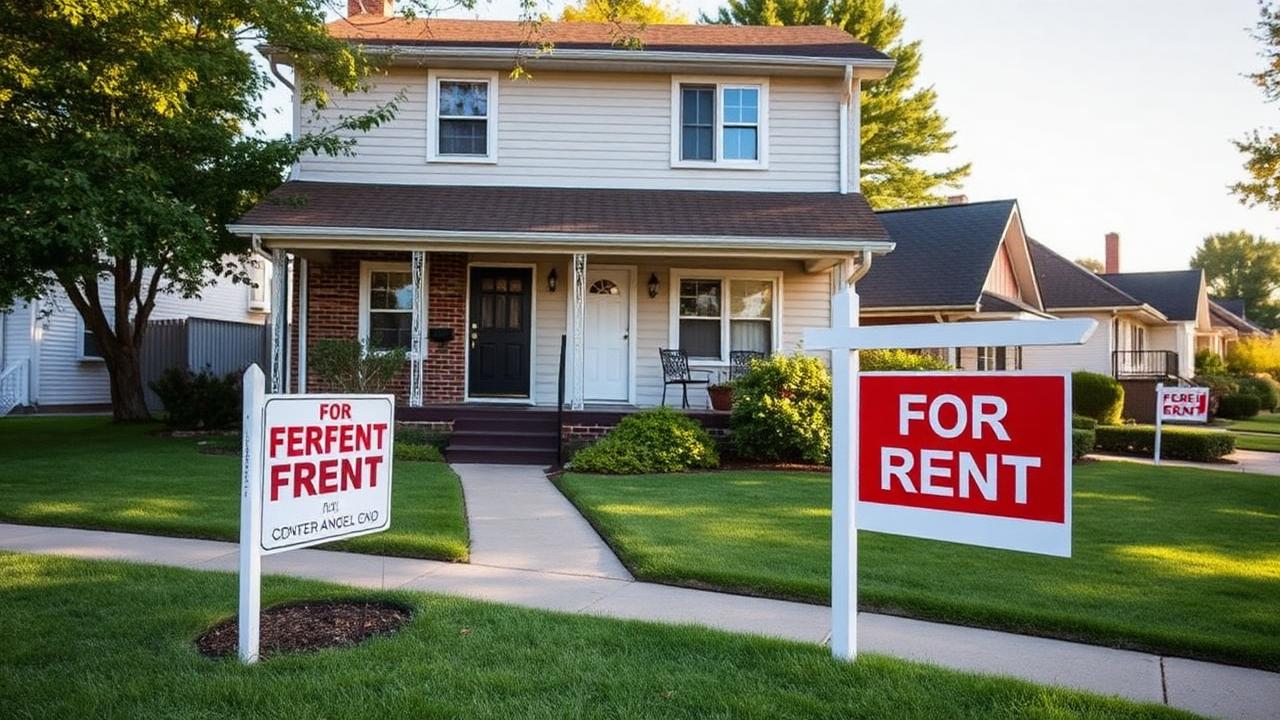

Real Estate Investing: Live in One Unit, Rent Out the Other
Justin Reynolds
Key Takeaways
Learn how house hacking lets you live in one unit and rent out the other—covering your mortgage, building equity, and launching your real estate investing…
Skip ahead — run the numbers now
What Is House Hacking?
At its core, house hacking means using your primary residence as both a home and an investment property. You buy a property, live in one unit, and rent out the others—whether that's a basement apartment, an accessory dwelling unit (ADU), or a separate duplex or triplex unit.
This strategy helps offset your mortgage and other expenses with rental income. In many cases, it can even generate a profit, turning your home into an income-producing asset.
Common house hacking setups include:
- Duplexes and triplexes: Live in one unit and rent out the others for steady monthly income.
- Single-family homes with ADUs: Build or convert part of your property into a rentable unit.
- Basement or garage apartments: Transform extra space into a private rental area.
- Room rentals: Rent out individual bedrooms in a larger home (a popular approach near colleges or major cities).
Whichever setup you choose, house hacking helps you take advantage of your property's earning potential while keeping your personal housing costs manageable.
Try it right here — no signup needed
Assistance Stacking Calculator
Educational estimate only. A grant with no lien does not count toward CLTV; a subordinate loan does.
- Resulting CLTV
- 92.3%
- Room left under a 100% CLTV cap
- $30,000
- Remaining cash needed after grant
- $21,000
- Excess grant (must reduce principal, not cash back)
- $0
Why House Hacking Is a Powerful Real Estate Investing Strategy
One of the biggest barriers to real estate investing is cost. Buying an investment property outright typically requires a sizable down payment—often 20% or more—and managing a separate property comes with risks and expenses.
House hacking helps solve both challenges by allowing you to live in your investment while your tenants help pay the bills.
Key benefits of house hacking include:
- Lower living expenses: Rental income from tenants can offset your mortgage, utilities, and property taxes—sometimes completely covering them.
- Easier financing options: Lenders often classify house-hacked properties as "owner-occupied," which qualifies you for lower down payments and better interest rates.
- Wealth building through equity: While tenants pay rent, you're simultaneously building home equity as your mortgage balance decreases.
- Tax advantages: You can deduct expenses related to the rental portion of your home, including repairs, maintenance, insurance, and depreciation.
- Hands-on experience: It's a low-risk way to learn property management skills before expanding into full-scale investing.
Curious about current rates? Track the latest mortgage rates with our Mortgage Rate Tracker to time your purchase strategically.
How to Find the Right Property for House Hacking
Choosing the right property is the foundation of a successful house hacking strategy. The ideal home should provide comfortable living for you and attractive accommodations for your tenants while fitting your budget and long-term goals.
Here's what to look for:
- Multi-unit properties: Duplexes, triplexes, and fourplexes are ideal since you can live in one unit and rent out the others while still qualifying for residential financing.
- Separate entrances: Properties with distinct living spaces make tenants more comfortable and minimize privacy issues.
- Desirable location: Look for areas with strong rental demand—near schools, hospitals, business districts, or tourist attractions.
- Good condition or light fixer-upper: A property in solid shape reduces immediate repair costs.
- Reasonable price-to-rent ratio: Aim for a property where expected rent covers a significant portion of your monthly mortgage.
Researching areas? Use our Neighborhood Explorer to compare neighborhoods, or save your favorites to your Watchlist.
Financing Options for House Hackers
Financing a house hack is often easier than funding a traditional investment property. Because you're living on-site, lenders consider it your primary residence, qualifying you for more favorable terms.
Common financing options include:
- FHA loans: Require as little as 3.5% down for owner-occupied multi-unit properties (up to four units).
- Conventional loans: Typically require 5–15% down for primary residences, offering flexibility and competitive rates.
- VA loans: Available to eligible veterans and active-duty service members, allowing zero down payment for multi-unit properties.
- USDA loans: Designed for rural properties, these can also allow for low or no down payments.
When applying for financing, lenders may consider potential rental income as part of your qualification process, which can help you afford a higher-priced property.
Need help understanding your options? Explore our Mortgage Calculators or connect with a lending expert in our Expert Directory.
Managing Tenants and Living Next Door
One unique aspect of house hacking is sharing a property with your tenants. While this arrangement has financial perks, it also requires careful communication and boundaries.
Best practices for managing tenants:
- Screen tenants carefully: Always run background and credit checks to ensure reliable renters.
- Set clear expectations: Draft a detailed lease agreement outlining rent due dates, maintenance responsibilities, and house rules.
- Maintain professionalism: Even if you live nearby, treat the arrangement as a business relationship.
- Respect privacy: Avoid dropping in unannounced—schedule maintenance visits in advance.
- Handle repairs promptly: Quick responses to maintenance requests keep tenants satisfied and protect your investment.
Living close to your tenants can make property management easier, but it's important to strike a balance between being a responsive landlord and respecting boundaries.
Calculating Profitability: How Much Can You Save or Earn?
Before committing to a house hack, calculate your potential savings and income. Your goal is to minimize—or ideally eliminate—your out-of-pocket housing expenses while generating long-term equity growth.
Example breakdown:
- Mortgage payment: $2,000 per month
- Rental income from other unit(s): $1,500 per month
- Net monthly cost: $500 out-of-pocket
In this scenario, you're living in a property that costs you far less than traditional housing—and over time, as rents increase or your mortgage balance decreases, your investment becomes even more profitable.
Keep in mind that your property's appreciation, tax deductions, and mortgage paydown all contribute to your total return on investment (ROI), even if initial cash flow is modest.
Run the numbers yourself! Try our Closing Cost Estimator and Affordability Simulator to model your house hacking scenario.
Challenges to Consider Before House Hacking
While house hacking offers tremendous benefits, it's not without challenges. Being both a homeowner and landlord requires patience, organization, and adaptability.
Potential drawbacks include:
- Reduced privacy, especially in shared spaces or single-family setups.
- Additional responsibilities like maintenance, repairs, and tenant communication.
- Possibility of vacancies or late rent payments.
- Local zoning laws or HOA restrictions that limit rental activity.
Fortunately, most of these challenges can be mitigated through careful planning, professional guidance, and strong lease agreements.
Final Thoughts: House Hacking as the Gateway to Real Estate Investing
House hacking is more than just a cost-saving strategy—it's one of the smartest ways to enter the world of real estate investing with minimal risk.
By living in one unit and renting out another, you can reduce your housing costs, build equity, gain hands-on experience, and generate income—all from your primary residence.
Ready to start your house hacking journey? Begin by researching multi-unit properties in your area, calculating rental potential, and exploring financing options that suit your goals.
With the right approach, you'll not only create a more affordable lifestyle but also lay the foundation for long-term financial independence through real estate investing.
🎓 Keep building your knowledge! Visit our Education Hub for more investing guides, or create your free account to unlock personalized tools, earn Hero Rewards, and track your investor journey.
Try these free tools
All toolsHome Approach may pay featured experts for their time creating education. Some also work in real estate or lending. If you choose to work with one, they're paid the normal way through your transaction. Home Approach never receives any part of it.
Home Approach Straight To Your Inbox
Get the insights you need to achieve your homeownership goals!