Mortgage Pre-Approval Checklist: Documents You Need
Home Approach
Key Takeaways
Getting mortgage pre-approval is the first step to buying a home. Use this checklist of essential documents to prepare for the process.
Skip ahead — run the numbers now
It's an exciting time! You're ready to begin the home-buying process by going house hunting and purchasing your dream home.
Before you start packing boxes, however, you need to get your financial affairs in order. The first step in preparing to buy a home is getting mortgage pre-approval.
To decide if you qualify for a home loan, lenders assess your credit history to determine your ability to make monthly payments and maintain a favorable financial situation. To make the assessments needed, lenders require documentation to verify income, assets, and expenses.
A Checklist of Documents to Get Started
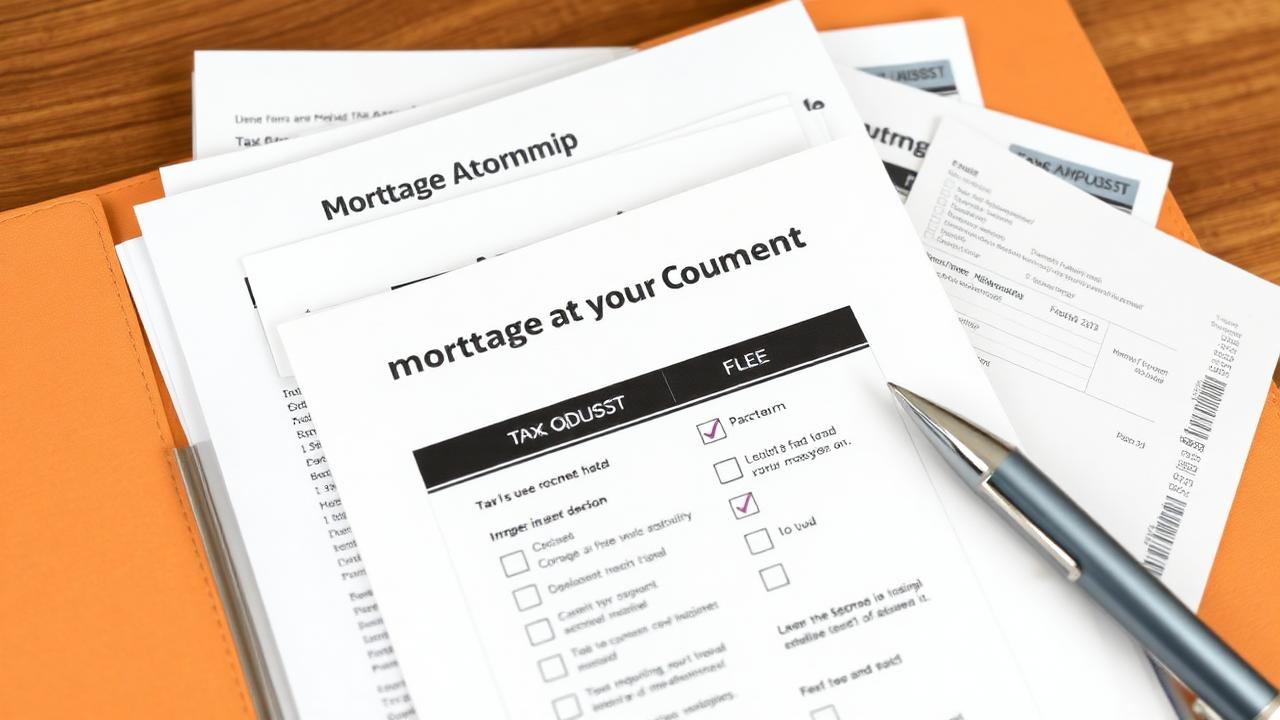
As you begin the quest for a mortgage preapproval letter, you'll have to turn over a bunch of documents containing financial information. Below is a checklist of the five most common documents you'll need.
1. Personal Identification
To obtain a preapproval letter, you must provide a valid form of ID to prove your identity. State-issued driver's licenses, passports, and U.S. alien registration cards are all acceptable. You'll also need to provide your contact information.
2. Social Security Card
Your Social Security number allows lenders to check your credit history and run a comprehensive background check. Your credit score and history play a major role in determining loan eligibility.
3. Proof of Income
Lenders want to verify you have steady income to make mortgage payments. Common documents include:
- W-2 forms from the past two years
- Recent pay stubs (typically the last 30 days)
- Tax returns for the past two years
- Profit and loss statements if self-employed
- Additional income documentation such as Social Security, pensions, or alimony
4. Proof of Assets
Lenders will want to see that you have enough money saved for a down payment and closing costs. Gather these documents:
- Bank statements from the past 2–3 months
- Investment account statements (stocks, bonds, mutual funds)
- Retirement account statements (401k, IRA)
- Gift letters if receiving down payment assistance from family
5. Employment Verification
Be prepared for lenders to verify your employment directly. They may contact your employer to confirm your position, salary, and length of employment.
Try it right here — no signup needed
Your situation
Programs and caps vary by state and county.
Estimated assistance range
$28,000 – $38,500
About 8% to 11% of a $350,000 home in California
Most likely type
Forgivable second loan
A 0% second lien that disappears if you stay long enough.
Likely qualifies
Your profile lines up well with common DPA programs. Confirm with a lender or counselor.
Additional Tips for a Smooth Pre-Approval Process
- Check your credit report before applying and dispute any errors
- Avoid major purchases or opening new credit accounts during the process
- Be honest about your financial situation—discrepancies can delay or derail approval
- Get pre-approved by multiple lenders to compare rates and terms
- Understand the difference between pre-qualification (informal estimate) and pre-approval (formal commitment)
What Happens After Pre-Approval?
Once pre-approved, you'll receive a letter stating how much you can borrow. This letter is typically valid for 60–90 days. Use this time to:
- Start house hunting within your approved budget
- Work with a real estate agent to find properties
- Make competitive offers backed by your pre-approval letter
- Continue maintaining your financial profile—avoid changing jobs or making large purchases
Why Pre-Approval Matters
In competitive markets, sellers often prioritize offers from pre-approved buyers. It shows you're serious, financially prepared, and ready to close. Getting pre-approved gives you a significant advantage over buyers who haven't taken this important step.
Try these free tools
All toolsHome Approach may pay featured experts for their time creating education. Some also work in real estate or lending. If you choose to work with one, they're paid the normal way through your transaction. Home Approach never receives any part of it.
Home Approach Straight To Your Inbox
Get the insights you need to achieve your homeownership goals!