Home Warranty vs. Emergency Fund: What's Worth It?
Home Approach
Key Takeaways
Should you get a home warranty or build an emergency fund? Compare costs, coverage, and pros and cons to protect your home the smart way.
Skip ahead — run the numbers now
When it comes to home maintenance, every homeowner faces the same dilemma: should you rely on a home warranty or build an emergency fund to cover unexpected repairs?
Both options can protect you from surprise expenses. But each comes with its own pros, cons, and ideal use cases.
Understanding the difference can help you make a smart financial decision that fits your lifestyle, budget, and comfort level.
In this guide, we’ll break down what each option covers, explore their advantages and drawbacks, and help you determine which approach best supports your long-term home maintenance goals.
Understanding Home Warranties and Emergency Funds
What Is a Home Warranty?
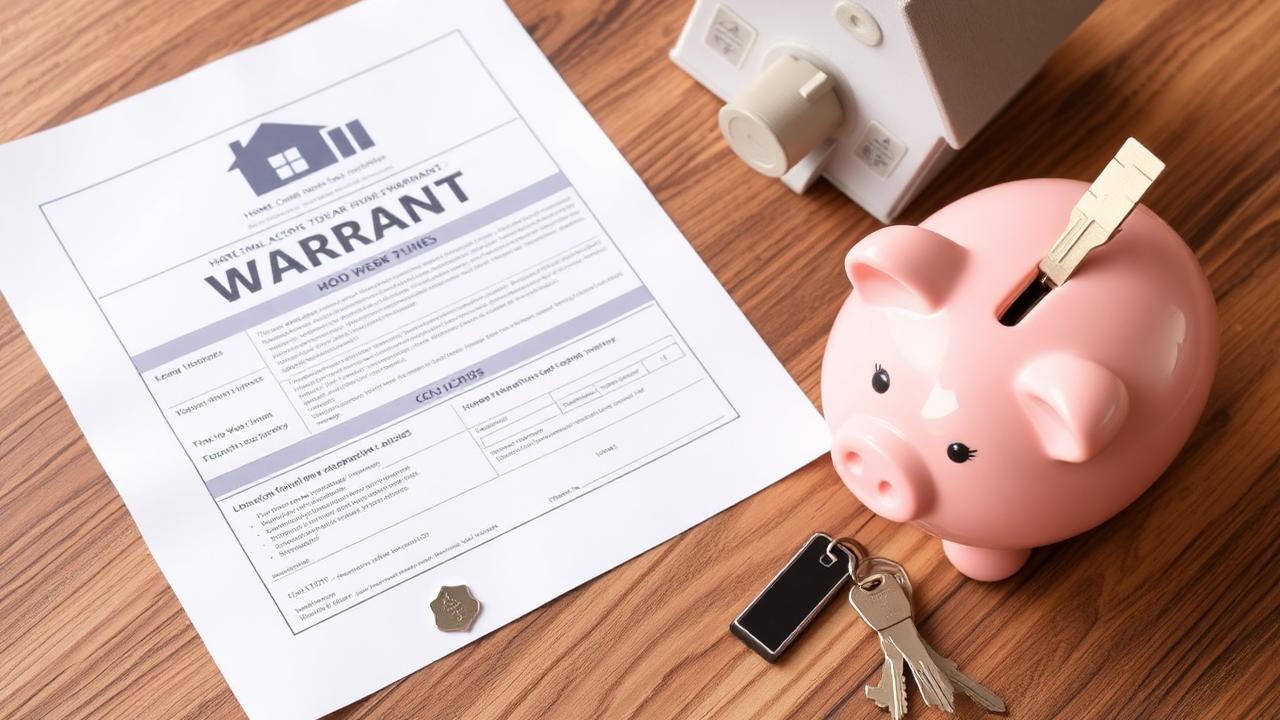
A home warranty is a service contract that covers the repair or replacement of major home systems and appliances when they break down due to normal wear and tear.
Unlike homeowners insurance, which protects against damage from events like fire or storms, a warranty focuses on everyday breakdowns that naturally occur over time.
Typical home warranty coverage includes:
-
HVAC systems (heating and cooling)
-
Plumbing and electrical systems
-
Water heaters
-
Major kitchen appliances like refrigerators and ovens
-
Washers and dryers
Homeowners pay an annual premium—often between $400 and $800—and a service call fee each time a technician visits (usually around $75–$150 per claim).
What Is an Emergency Fund?
An emergency fund is a pool of money you set aside for unexpected expenses, such as home repairs, medical bills, or job loss. Unlike a warranty, this fund is completely under your control—you decide how much to save, where to keep it, and what it’s used for.
For homeowners, an emergency fund should cover:
-
Sudden appliance failures (e.g., refrigerator, water heater)
-
Plumbing leaks or water damage
-
Roof repairs or replacement
-
HVAC breakdowns
-
Electrical issues or other safety concerns
Financial experts recommend setting aside three to six months’ worth of living expenses—but homeowners may benefit from building an additional cushion dedicated specifically to home maintenance.
Try it right here — no signup needed
1. What you actually take home
What actually lands in your account each month, after taxes and deductions.
2. The full cost of the house
Principal, interest, taxes, and insurance for the home you're considering.
About 1% of home value per year, divided by 12.
Electric, gas, water, sewer, trash, internet.
Leave at 0 if there is no association.
3. The life a lender can’t see
Underwriting ignores this entirely.
The contribution you refuse to stop making.
Groceries, gas, insurance, subscriptions, eating out.
Bank qualification vs. your real monthly housing number
Bank qualification
$3,120
Illustrative 36% debt ratio applied to estimated gross income. Ignores maintenance, childcare, savings, and everyday spending.
Your real monthly housing number
$1,625
25% of net income, capped by what’s left after the commitments you entered.
A lender would approve about $1,495 more per month than your budget supports. That gap is the house-poor zone.
Your summary
Over your ceiling
A lender may still approve this. Your budget is telling you something different.
- All-in housing cost
- $2,793
- Comfort target (25% of net)
- $1,625
- Safety ceiling (30% of net)
- $1,950
- Left for housing after your commitments
- $4,400
The Pros and Cons of a Home Warranty
Home warranties can be a safety net for those who prefer predictable costs and professional service coordination. However, they’re not a perfect solution for every homeowner.
Advantages of a Home Warranty
-
Peace of mind: You don’t have to worry about finding a repair technician or facing large, surprise repair bills.
-
Convenience: The warranty company arranges service calls, so you don’t have to vet contractors yourself.
-
Budget control: You know your annual premium and service fees upfront, making home maintenance more predictable.
-
Ideal for older homes: If your home’s systems and appliances are aging, a warranty can help offset replacement costs.
Disadvantages of a Home Warranty
-
Coverage limits: Many warranties cap payouts per appliance or per year, leaving you to cover the rest.
-
Denied claims: Providers may reject claims if they consider the damage pre-existing or due to improper maintenance.
-
Service delays: Scheduling through warranty providers can sometimes take days or even weeks during busy seasons.
-
Not all-inclusive: Items like roofs, windows, and structural issues are typically excluded.
Home warranties can be a great tool for first-time homeowners or those who prefer fixed costs, but it’s essential to read the fine print and understand exactly what’s covered—and what’s not.
The Pros and Cons of an Emergency Fund
Building your own emergency fund gives you full control over your money and decisions. It’s a flexible, self-managed way to prepare for inevitable repair costs, but it also requires discipline and planning.
Advantages of an Emergency Fund
-
Full control: You decide when and how to spend the money—no approvals or waiting for claims.
-
No coverage restrictions: You can use the funds for any repair, from roof leaks to tree removal.
-
No service fees: Unlike a warranty, there’s no recurring premium or service charge.
-
Earns interest: If kept in a high-yield savings account, your emergency fund can grow over time.
Disadvantages of an Emergency Fund
-
Requires discipline: It takes time and consistent effort to build up sufficient savings.
-
Large upfront cost: Unlike a warranty, there’s no financial buffer until your fund grows.
-
Temptation to spend: Without structure, it’s easy to dip into the fund for non-emergencies.
For homeowners who prefer independence and have strong budgeting habits, an emergency fund can offer flexibility and long-term financial security.
Comparing Home Warranties and Emergency Funds for Home Maintenance
To determine which option makes more sense for your home maintenance plan, consider these factors:
| Feature | Home Warranty | Emergency Fund |
|---|---|---|
| Monthly Cost | Fixed premium + service fees | Variable (based on how much you save) |
| Flexibility | Limited to covered items | Fully flexible for any expense |
| Speed of Repairs | Dependent on provider availability | Immediate—you hire contractors directly |
| Risk Level | Lower upfront risk, but potential claim denials | Higher risk if funds aren’t available early |
| Best For | First-time homeowners, older homes | Experienced homeowners, DIY enthusiasts |
When to Choose a Home Warranty
A home warranty might make more sense if:
-
You recently purchased an older home with aging systems and appliances.
-
You don’t have significant savings for emergency repairs yet.
-
You prefer predictable annual costs and easy contractor coordination.
-
You value peace of mind over complete control.
When to Rely on an Emergency Fund
On the other hand, an emergency fund is ideal if:
-
You’ve already built up savings and are comfortable managing repair costs yourself.
-
You prefer choosing your own service providers and handling repairs directly.
-
You want financial flexibility for any type of home maintenance or personal expense.
-
You’re confident in budgeting and saving regularly.
How to Combine Both for Better Home Maintenance Protection
Who says you have to pick just one? Many homeowners benefit from combining both strategies for maximum protection.
Here’s how to do it:
-
Use a home warranty to cover major appliances and systems during the first few years of homeownership.
-
Gradually build a home maintenance emergency fund to handle expenses not covered by the warranty.
-
Once your savings reach a comfortable level (around 1–3% of your home’s value), you may choose to cancel the warranty and rely solely on your fund.
This hybrid approach gives you the best of both worlds: predictable coverage early on, and financial flexibility as your savings grow.
Tips for Effective Home Maintenance Budgeting
Regardless of which route you take, proactive budgeting for home maintenance is key to avoiding financial stress. Here are some smart habits to adopt:
-
Set aside at least 1% of your home’s value each year for maintenance and repairs.
-
Perform seasonal inspections to catch small issues before they become expensive repairs.
-
Track appliance ages and plan replacements in advance.
-
Keep warranty documents, receipts, and contractor contacts organized.
Choose What Fits Your Home and Financial Goals
When it comes to home maintenance, both home warranties and emergency funds have valuable roles to play.
A home warranty offers convenience and peace of mind, especially for new homeowners or those with older appliances.
Meanwhile, an emergency fund provides flexibility and long-term financial independence. The best choice depends on your comfort with risk, budgeting style, and how hands-on you want to be with home repairs.
Ready to take charge of your home’s upkeep?
Review your current systems, estimate your repair costs, and decide whether a warranty, an emergency fund, or a combination of both will give you the protection—and confidence—you need to maintain your home for years to come.
For more tips on home maintenance, read this.
Try these free tools
All toolsHome Approach may pay featured experts for their time creating education. Some also work in real estate or lending. If you choose to work with one, they're paid the normal way through your transaction. Home Approach never receives any part of it.
Home Approach Straight To Your Inbox
Get the insights you need to achieve your homeownership goals!