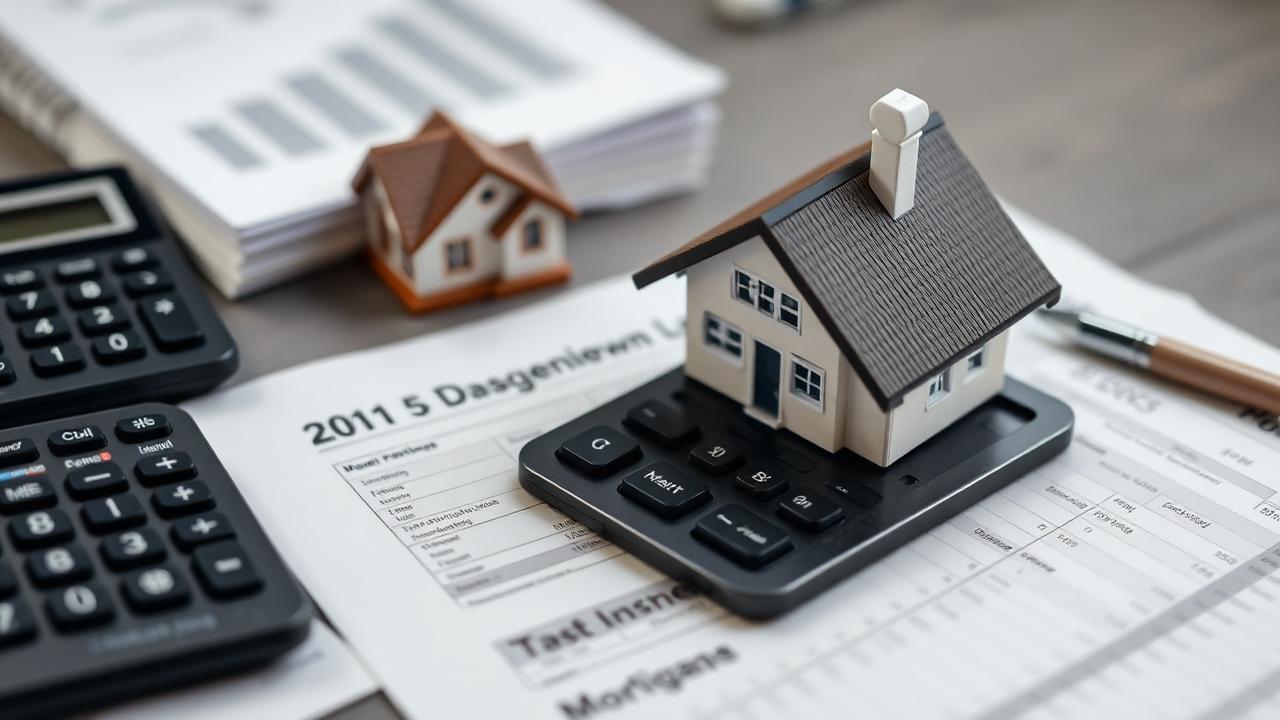

What Is a Mortgage? A Beginner's Guide to Home Loans
Justin Reynolds
Key Takeaways
Everything you need to know about mortgages—from types of loans and interest rates to the application process and qualification requirements, explained in…
Skip ahead — run the numbers now
Buying a home can feel overwhelming. Unless you have more money than you know what to do with, you're going to need a mortgage. In this guide, we break down mortgages in easy terms, walking you through the entire process.
Key Takeaways
- A mortgage is a loan from a bank or financial institution that helps you buy a home. You promise to pay back the money over time with interest, and your new house serves as collateral.
- When choosing a mortgage, consider important factors like loan size, interest rate, whether it's fixed or adjustable, points, closing costs, and any prepayment penalty.
- There are different types of mortgages available—from fixed-rate mortgages offering stable payments to adjustable-rate mortgages which may initially lower your payments but can increase over time.
- The process involves comparing lenders, getting pre-approved, finalizing the loan application, and eventually closing on the house.
- To qualify, you need good credit, stable income, a low debt-to-income ratio, savings for a down payment, and essential documents like tax returns.
What Is a Mortgage?
A mortgage is a loan from a bank or financial institution that helps you buy a home. When you acquire a mortgage, you agree to pay back the money over a set period, usually with interest added. It's like making a deal where you get the keys to your new house now but promise to pay off what you borrowed bit by bit each month.
The property you purchase serves as collateral for the loan. This means if you can't make your payments, the lender has the right to take ownership of your home through foreclosure. So getting a mortgage isn't just about buying your dream home—it also involves taking on significant financial responsibility.
📖 New to mortgage terminology? Browse our Mortgage Glossary to look up any unfamiliar terms and compare different loan products side by side.
Try it right here — no signup needed
Assistance Stacking Calculator
Educational estimate only. A grant with no lien does not count toward CLTV; a subordinate loan does.
- Resulting CLTV
- 92.3%
- Room left under a 100% CLTV cap
- $30,000
- Remaining cash needed after grant
- $21,000
- Excess grant (must reduce principal, not cash back)
- $0
What to Look for in a Mortgage
When considering a mortgage, you need to carefully assess several key factors.
Size of the Loan
You should aim for a loan amount that comfortably fits within your budget and allows you to manage other expenses without strain. Lenders evaluate your income, debts, and credit history to determine the maximum loan size they can offer.
A larger down payment can reduce the size of your required loan, potentially offering more favorable terms and interest rates.
Interest Rate
Interest rates determine the amount of money you'll pay over and above the loan's principal value. Rates can vary greatly depending on the lender, your credit score, and market conditions. A lower interest rate means smaller monthly payments—always compare rates from multiple lenders.
Securing a favorable interest rate could save you thousands of dollars throughout the life of your loan.
📊 Track today's rates. Use our Mortgage Rate Tracker to monitor current rates and set alerts when they hit your target.
Points
Points are upfront fees paid to the lender at closing in exchange for a lower interest rate over the life of the loan. Each point typically costs 1% of the total mortgage amount. It's important to weigh the initial cost against long-term savings.
Closing Costs
Closing costs encompass various fees including origination fees, appraisal fees, credit report charges, title insurance, attorney fees, and prepaid taxes or homeowners insurance. These typically range from 2% to 5% of the loan amount.
💰 Estimate your closing costs. Our Closing Cost Estimator breaks down exactly what you'll owe at the closing table—no surprises.
Fixed or Adjustable
A fixed-rate mortgage has an interest rate that stays the same for the entire loan term, offering stability in your monthly payments. An adjustable-rate mortgage (ARM) starts with lower initial rates but could adjust over time based on market conditions.
Carefully consider your financial situation, how long you plan to stay in the home, and how much risk you're willing to take.
Loan Term
The loan term is the length of time you have to repay the loan, typically ranging from 15 to 30 years. A shorter term means higher monthly payments but less interest paid overall. A longer term results in lower payments but more interest paid.
Prepayment Penalty
Some lenders charge a fee if you pay off your mortgage early, usually within the first few years. Be sure to carefully review this aspect when evaluating different mortgage options.
Types of Mortgages
Fixed-Rate Mortgage
A fixed-rate mortgage offers stable interest rates throughout the life of the loan, providing predictability and protection against rate increases. This type is suitable for those who prefer consistent monthly payments.
Adjustable-Rate Mortgage (ARM)
An ARM offers an initial fixed interest rate for a set period—usually 5, 7, or 10 years—after which the rate adjusts periodically based on market conditions. This might be a good option if you plan to move or refinance within the fixed-rate period.
Reverse Mortgage
A reverse mortgage allows homeowners aged 62 and older to convert part of their home equity into cash. Instead of making monthly payments to the lender, the lender makes payments to the homeowner.
Interest-Only Loans
Interest-only loans allow you to pay only the interest for a set period (typically 5 to 10 years) before starting to pay both principal and interest. This lowers initial payments but may lead to higher payments later.
Second Mortgage
A second mortgage uses your home as collateral and is subordinate to the primary mortgage. It can provide access to additional funds or help consolidate debt, but it increases your overall debt obligation.
What Is the Mortgage Process Like?
- Research and compare various lenders to find the best rates and terms.
- Gather documents such as pay stubs, tax returns, and bank statements.
- Get pre-approved to determine how much you can afford before house hunting.
- Find a home with the help of a real estate agent and make an offer.
- Finalize the application with your chosen lender and go through underwriting.
- Close on the house by signing loan documents and paying closing costs.
✅ Stay organized throughout the process. Our Homebuyer Checklist walks you through every step from pre-approval to closing day.
How Can You Qualify for a Mortgage?
- Maintain a good credit score to demonstrate creditworthiness.
- Show stable and sufficient income to support monthly mortgage payments.
- Keep a low debt-to-income ratio.
- Save for a down payment, typically ranging from 3% to 20% of the home's purchase price.
- Provide necessary financial documents such as tax returns, pay stubs, and bank statements.
- Get pre-approved by a lender to show sellers you are a serious buyer.
🎯 Check your readiness. Take our Credit Readiness Quiz to see where you stand, or use the Down Payment Planner to map out your savings goal.
Ready to Apply for a Mortgage?
Once you're ready to move forward, gather all necessary financial documents. Review your credit report beforehand to identify any inaccuracies. Shop around for the best rates and terms, comparing offers from different lenders.
Pro tip: Get pre-approved for a mortgage before house hunting. This gives you a clear understanding of how much you can afford and shows sellers you're serious.
FAQs
1. What is a mortgage?
A mortgage is a loan you get to buy a house or property.
2. How do I qualify for a mortgage?
You need good credit, stable income, and enough money for the down payment.
3. What types of mortgages are there?
There are several types including fixed-rate, adjustable-rate, and government-insured loans.
4. Can I pay off my mortgage early?
Yes, but check if there are any penalties for doing so.
5. How long does it take to get approved for a mortgage?
Approval can take anywhere from a few days to several weeks, depending on your financial situation and lender.
🏠 Start your homebuying journey today. Sign up for free to access all of our tools, explore the Education Hub for free courses, or connect with a mortgage professional in our Expert Directory.
Try these free tools
All toolsHome Approach may pay featured experts for their time creating education. Some also work in real estate or lending. If you choose to work with one, they're paid the normal way through your transaction. Home Approach never receives any part of it.
FAQ
Home Approach Straight To Your Inbox
Get the insights you need to achieve your homeownership goals!